Mindfulness Meditation for ADHD: Practical Tools for Calm
Phillip Jones talks with meditation teacher Dave Cutherell about mindfulness meditation for ADHD. Learn breathwork, awareness practices, self-compassion, and how to build a sustainable daily routine that helps with anxiety and overwhelm.
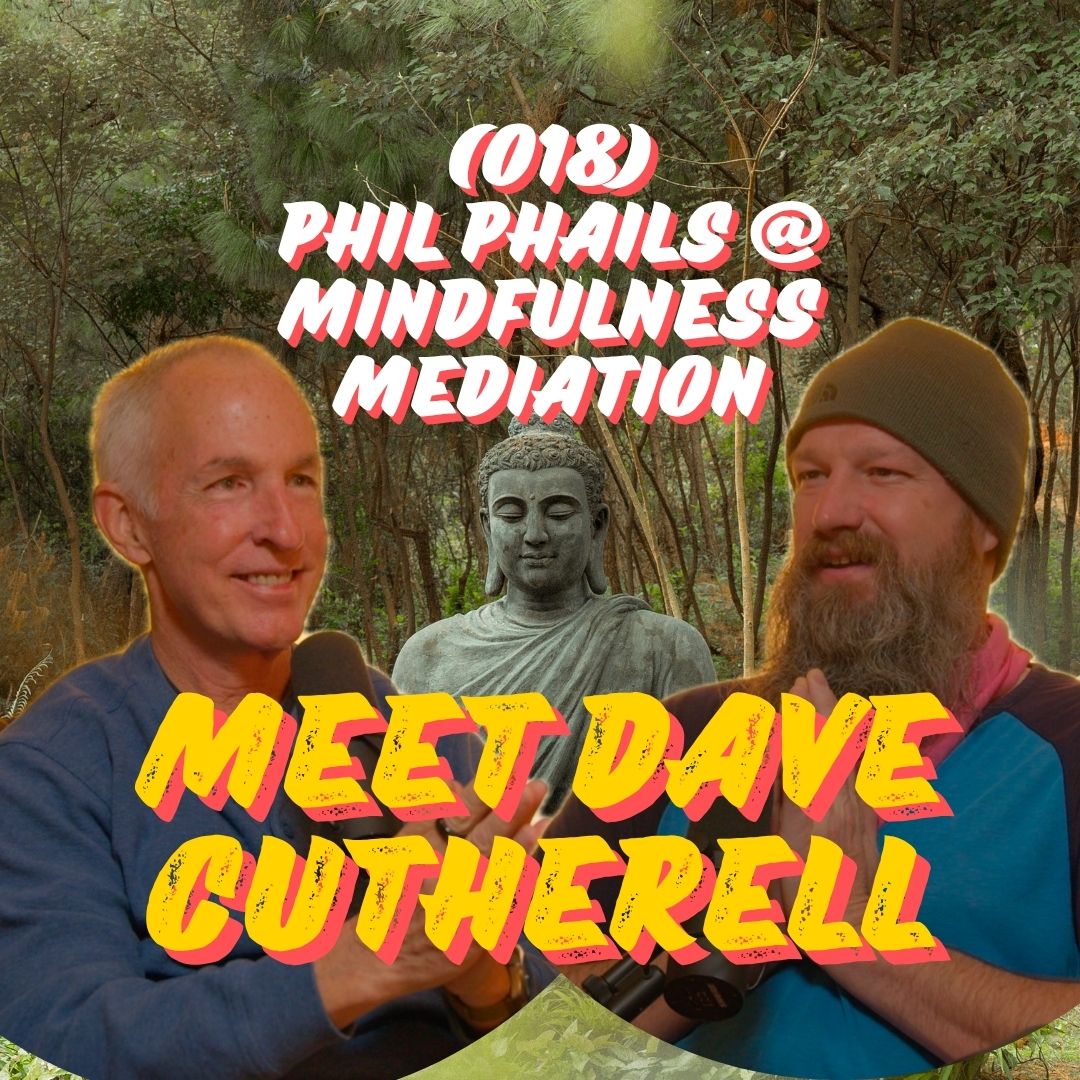
Living with ADHD often means dealing with a restless mind, anxiety spikes, and that constant feeling of being pulled in multiple directions. In this conversation with returning guest Dave Cutherell, a meditation teacher with over 30 years of practice, we explored how mindfulness meditation for ADHD offers real, grounded tools—not to eliminate challenges, but to relate to them differently.
Dave teaches insight meditation rooted in Theravada Buddhism but adapted in secular ways. We started with simple breathwork and moved into awareness practices that help create space between stimulus and reaction.
The Roots and Modern Practice of Mindfulness
Meditation has ancient origins, most notably from the Buddha’s teachings over 2,500 years ago, with strong Theravada (insight) traditions. Modern secular mindfulness, popularized by Jon Kabat-Zinn through Mindfulness-Based Stress Reduction (MBSR), removed religious elements to make it accessible.
Dave emphasized that the practice is about skill-building: training attention and relating skillfully to thoughts and emotions rather than being swept away by them.
Focused, Flexible, and Open Awareness
One framework that resonated is the spectrum of awareness:
- Focused awareness — Concentrating on one object like the breath or a physical sensation.
- Flexible awareness — Noticing attention shifting naturally between different inputs.
- Open/natural awareness — Resting in a broader, spacious presence without fixation.
We also touched on turning awareness back on itself—observing the observer—which can reveal a sense of connectedness beyond the individual self.
Breathwork and Heart Practices for Regulation
Simple breath exercises (long inhale, hold, slow exhale) calm the nervous system. Dave led a short heart-centered practice focused on self-kindness: “May I be happy. May I be at peace.” Extending this to others builds compassion.
These tools help counter the negativity bias and emotional overwhelm common with ADHD.
Reframing Your Inner Experience
Practices like Zen koans (“Who am I?”) or the playful “Kill the Buddha” reminder challenge rigid self-concepts. The goal isn’t mystical perfection but everyday relief—meeting your actual experience with less judgment.
Dave stressed consistency over intensity: short daily sessions compound over time.
My Personal Reflection
This episode reminded me how often I treat my mind like something to fix rather than train. The distinction between focused and open awareness gave me language for experiences I’ve had but couldn’t name. What surprised me was how quickly a simple breath or heart practice creates noticeable shifts in my body.
I’ve carried some shame around inconsistency with meditation. Hearing Dave’s honest, long-term journey—complete with boredom, exploration, and returning to basics—made it feel more approachable. I’m rethinking meditation not as another “should,” but as a practical resource for the restlessness I already know well.
Practical Takeaways
- Start simple — Begin your day with 10–15 minutes of breathwork—long inhales, short holds, slow exhales—to ground before the mind races.
- Build a menu of awareness — Practice focused attention (on breath or object), flexible noticing (watching attention move), and open awareness (spacious presence).
- Use self-compassion phrases — Repeat “May I be happy. May I be at peace” when self-criticism or overwhelm arises.
- Keep it short and consistent — Aim for daily practice rather than long sporadic sessions. Even 5–10 minutes helps.
- Play with koans lightly — Ask “Who am I?” or observe the awareness behind thoughts without forcing answers.
- Pair with movement — Combine meditation with physical practices like stretching or walking to suit ADHD energy.
Final Thoughts
Meditation doesn’t erase ADHD or life’s difficulties. It offers a different relationship with them—one with more space, kindness, and presence. Thanks for joining me on this path. These conversations keep showing me that small, honest practices can shift how we move through the world.
About Dave Cutherell
Dave is a meditation teacher, woodworker, and family man in Austin, Texas. With over 30 years of practice, he focuses on mindfulness meditation for those dealing with ADHD, addiction, and mental suffering. He teaches practical tools for a happier, more fulfilling life.
🌐 Find Dave Cutherell:
- Website: custommadedave.com