Learning Philosophy as a Beginner: Our Honest Mid-Series Check-In
Phillip Jones and Grant Potts reflect on struggling with dense philosophy texts, the hard problem of consciousness, and what it means to build genuine conversations. A raw look at friendship, failure, and showing up anyway.
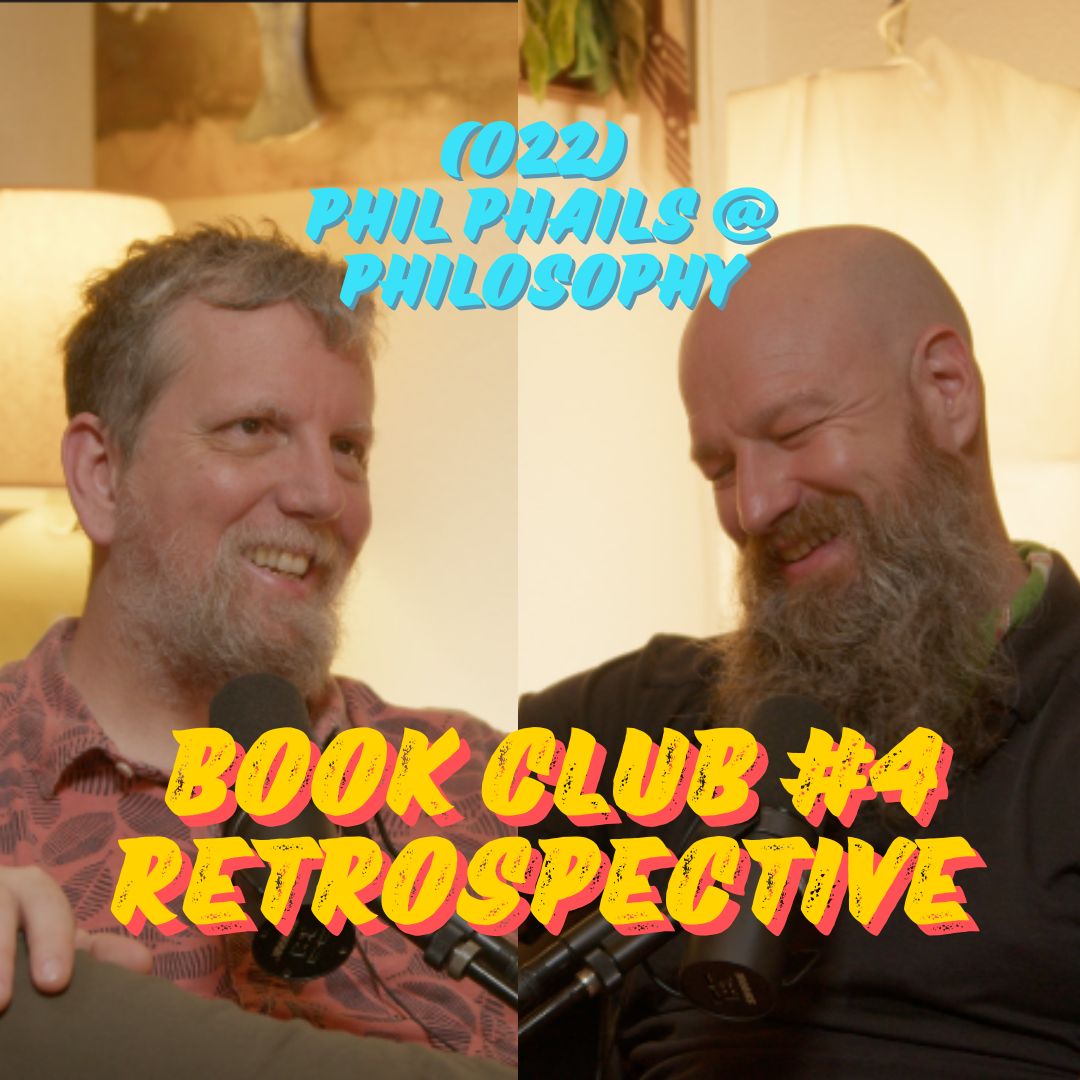
Can you learn philosophy as a complete beginner without feeling lost? In this episode, I admitted upfront that I didn’t fully read the chapter on consciousness — and it led to one of our most honest conversations yet with Grant Potts.
We reflected on the first three chapters of Philosophy’s Big Questions, our growing friendship, and what it really takes to show up for deep discussions even when life gets in the way.
The Reality of Struggling With Hard Texts
This chapter on whether consciousness can be explained was tough. Dense sentences, complex Buddhist thinkers like Vasubandhu, Dignaga, and Dharmakirti, and Western ideas from David Chalmers’ “hard problem.”
I took multiple runs at it, watched videos, but life stuff got in the way. Grant reassured me this is normal. Philosophy isn’t supposed to be easy — the value is in wrestling with it.
We decided to “throw out the book” for part of the episode and just talk.
What Is the Hard Problem of Consciousness?
Even if we fully map the brain, why does that produce subjective experience — the feeling of what it’s like to be you? Physicalist and idealist (mind-only) approaches both hit walls.
Buddhist perspectives emphasize perception, memory, and how reality appears in the mind. It’s less about solving the mystery and more about understanding our direct experience.
Building Real Conversations and Friendship
This episode became a mid-series retrospective. We talked about what’s working, what to start doing (like “throw out the text” segments for freer discussion), and how these talks have deepened our friendship over years of neighborhood connections.
We laughed about awkward hugs, Austin life, South vs North of the river jokes, and the courage it takes to pivot from a stable software career toward something more meaningful.
My Personal Reflection
This one surprised me with how vulnerable it felt. Admitting I didn’t finish the reading was uncomfortable, but it opened the door to a better conversation. What challenged me was confronting mortality and impermanence — the idea that my first-person universe ends when I do.
Grant’s steady, grounded presence as both professor and friend reminded me why I started this: to learn in public, fail forward, and model courage for my daughters. These episodes are becoming an act of service — sharing the messiness of growth.
Practical Takeaways
- Read difficult material anyway — Even partial efforts build muscles for thinking. Revisit when ready.
- Create space for real talk — Sometimes set the text aside and explore what the ideas mean for your life.
- Build relationships through shared inquiry — Deep conversations over time create trust and growth.
- Fail forward publicly — Showing up imperfectly is more valuable than waiting to be perfect.
- Model courage for others — Whether kids, friends, or audience — demonstrate that it’s okay to pivot and try.
- Stay in dialogue — With texts, people, and your own experience. That’s where insight lives.
Final Thoughts
We’re still figuring this show out, but the honest moments feel like the most important ones. Philosophy isn’t about having all the answers — it’s about asking better questions together.
About Grant Potts
Grant Potts is a distinguished faculty member at Austin Community College, specializing in Philosophy, Religion, and Humanities. Trained primarily as a scholar of religion, Grant is also a dedicated philosopher and curriculum developer, committed to promoting liberal education through the Great Question Foundation to benefit community college students of all disciplines. Outside the academic sphere, he is a passionate gardener, an enthusiastic hiker and cyclist, and an ardent tabletop roleplaying game enthusiast.