Why Do Bad Things Happen to Good People? Buddhist Wisdom
Phillip Jones and Grant Potts explore why bad things happen to good people through a Buddhist lens. Reflections on karma, suffering, acceptance, and reframing evil without resentment.
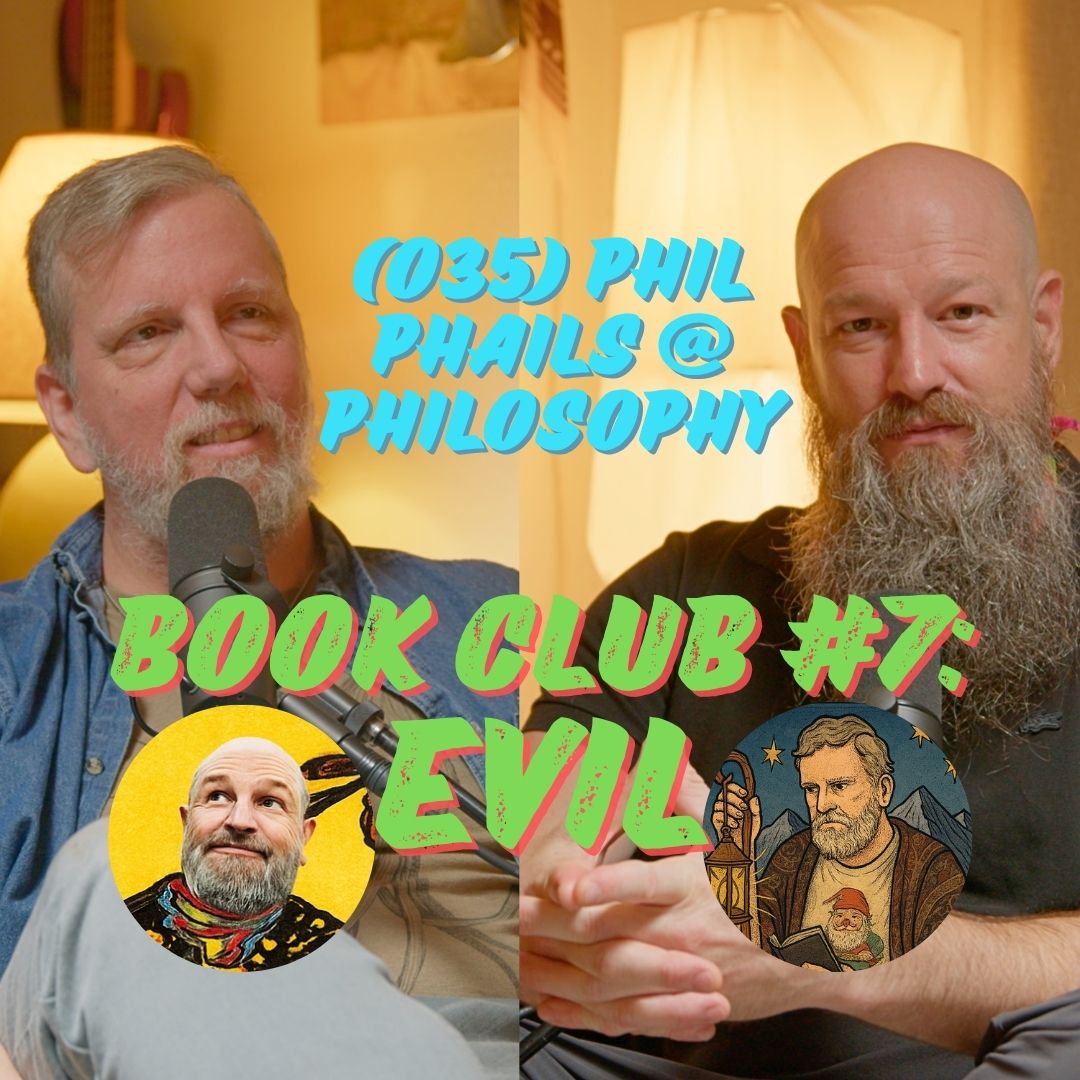
“Why do bad things happen to good people?” It’s one of the oldest and most painful questions humans ask. In our philosophy book club, Grant Potts and I wrestled with this through a Buddhist perspective that challenged many of our default Western assumptions.
The chapter doesn’t offer easy comfort. Instead, it invites a radical shift in how we view suffering, justice, and our response to life’s unfairness.
[Embed YouTube Video Here]
The Problem of Evil as a Human Question
We started with the familiar framing: if the world is just, why does cruelty strike the innocent? Western traditions often tie this to theodicy—explaining evil in light of an all-good God. Buddhism approaches it differently, without needing a divine plan to balance the scales.
The author highlights how we cling to narratives of deservedness. Bad things feel like cosmic mistakes when they hit “good” people. This clinging, Buddhism suggests, is part of the suffering.
Karma, Rebirth, and Reframing Suffering
The discussion dove into karma—not as simplistic Western payback (“you did bad, now you suffer”), but as cause and effect across lives. The powerful story of the king’s unjust execution of a good man and his family illustrated this.
The widow hears the news yet continues her Dharma talk calmly. The point isn’t fatalistic acceptance but recognizing that hatred and resentment only extend suffering. “Hatred is never quenched by hatred… but by love.”
This isn’t about excusing evil. It’s about refusing to let it poison your heart and actions.
Breaking the Cycle: Acceptance Over Resentment
A standout insight: only what can be broken breaks. Impermanent things break. Clinging to fairness in an impermanent world guarantees pain. Buddhism doesn’t solve the “problem of evil” by promising justice in this life or the next. It dissolves the framing by focusing on ending personal suffering through wisdom and compassion.
We don’t need to wait for cosmic balance. We can choose non-hatred now.
My Personal Reflection
This chapter hit hard. What surprised me was how much I still want a tidy moral universe where good is rewarded and bad punished visibly. What challenged me was admitting how often I let resentment or “why me” stories steal my peace.
Talking with Grant reminded me that philosophy isn’t abstract—it’s practical. Reframing suffering doesn’t erase it, but it frees energy for living well amid it. I left rethinking my own small “injustices” and how quickly I turn them into grudges.
Practical Takeaways
- Name the story you’re telling — When something unfair happens, notice if you’re framing it as “I don’t deserve this” and how that fuels anger.
- Practice non-hatred — Next time resentment arises, try the Buddhist reminder—hatred isn’t quenched by more hatred.
- Focus on what you can control — Accept impermanence. Invest energy in compassion and wise action rather than demanding cosmic fairness.
- Build perspective through reflection — Read or discuss big questions with others. It normalizes the struggle and reveals new frames.
- Choose love in small moments — In daily irritations or larger wounds, experiment with responding from acceptance instead of retaliation.
- Remember the widow’s calm — You can acknowledge pain without letting it derail your deeper values or presence.
Final Thoughts
Bad things happen. The question isn’t how to prevent every injustice but how to meet them without becoming them. Buddhism offers no escape from suffering, only a wiser way through it—one rooted in letting go of hatred and embracing compassion.
About Grant Potts
Grant Potts is a distinguished faculty member at Austin Community College, specializing in Philosophy, Religion, and Humanities. Trained primarily as a scholar of religion, Grant is also a dedicated philosopher and curriculum developer, committed to promoting liberal education through the Great Question Foundation to benefit community college students of all disciplines. Outside the academic sphere, he is a passionate gardener, an enthusiastic hiker and cyclist, and an ardent tabletop roleplaying game enthusiast.