Why Neutrality Is Impossible: Honest Talk on Language, Power & Bias
Phillip Jones and linguist David Beaver unpack why claiming neutrality often masks power, using examples from politics, academia, and history. Real talk on framing, decisions, and showing up honestly in divided times.
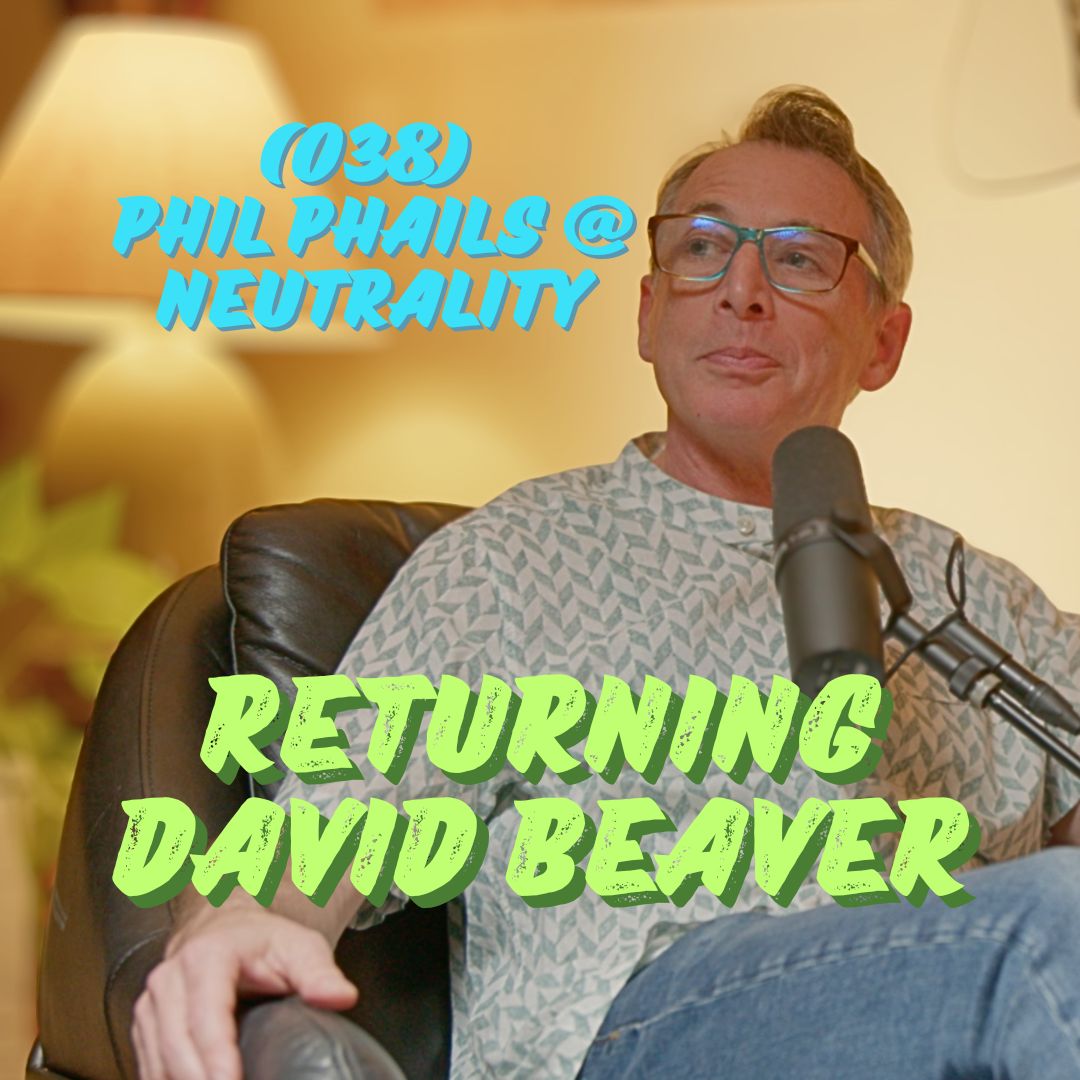
Can anyone truly be neutral? In this episode of Phil Phails at Neutrality, I sat down with returning guest David Beaver to explore how language, framing, and “objective” facts are never as neutral as they seem. We started with Elie Wiesel’s powerful quote — “We must take sides. Neutrality helps the oppressor, never the victim” — and ended up wrestling with what that means in politics, academia, and everyday life.
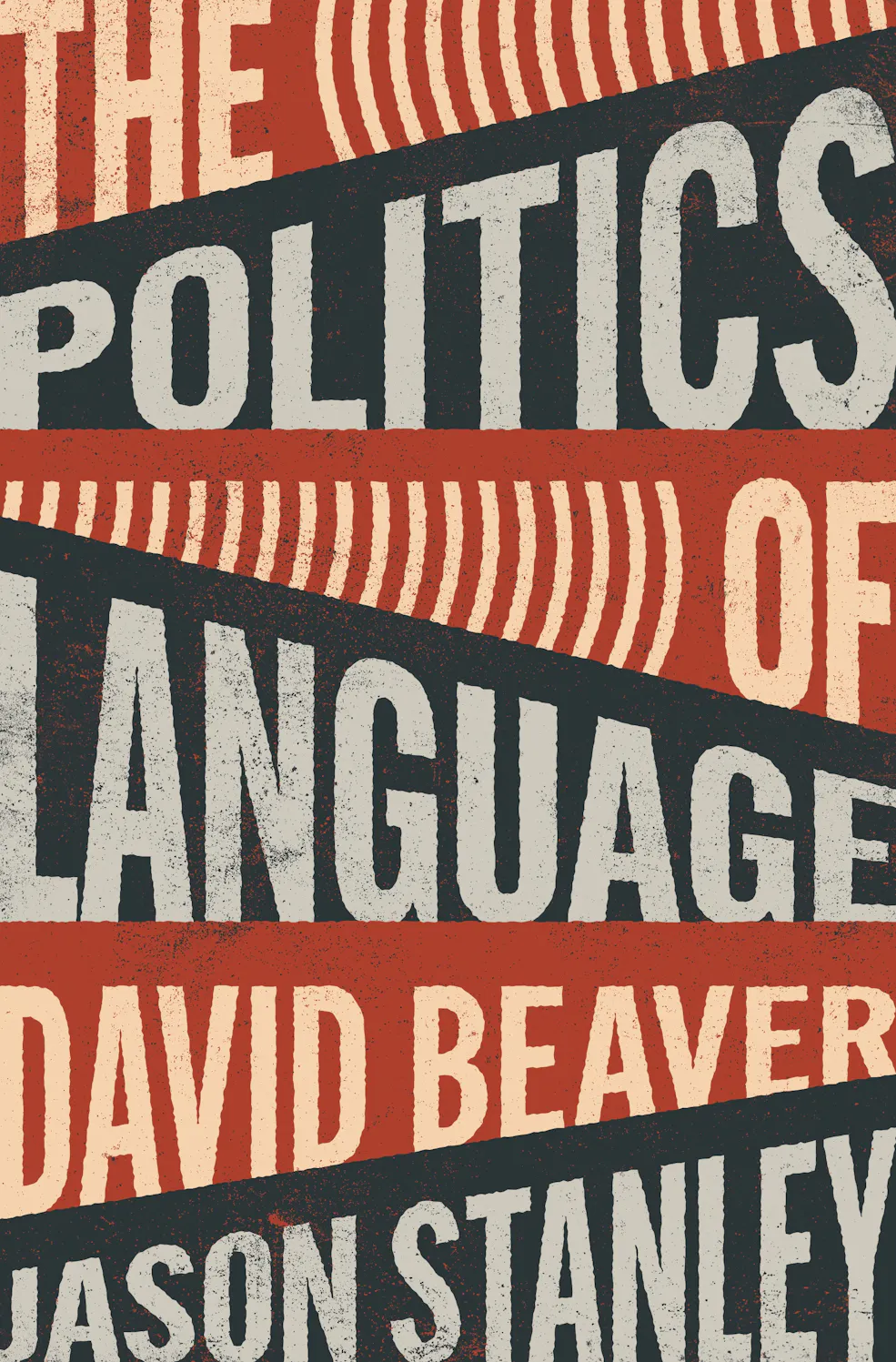
David, a professor of linguistics, philosophy, and cognitive science at UT Austin, co-author of The Politics of Language with Jason Stanley, brought sharp insight into how we use (and misuse) words to shape reality.
Neutrality as a Power Move
One of the biggest takeaways: when someone claims to be neutral, they’re often signaling superiority or protecting the status quo. David pointed out that academics (himself included) sometimes wear “objectivity” like armor to stand above the fray. But choosing which facts to present, which numbers to count, or which stories to frame is never neutral — it’s a decision that serves some interests over others.
We talked about how bureaucrats in Flint, Michigan turned a human crisis (poisoned water) into statistics and cost-benefit analyses, filtering out the lived suffering of residents.
The Danger of “Both Sides” Thinking
Neutrality gets especially tricky in polarized issues. We discussed how comparing events (like the Holocaust and other conflicts) can be valid for understanding patterns of oppression, yet it often triggers strong emotional reactions that shut down dialogue. David emphasized that while we should try to understand others’ paths with empathy, recognizing someone’s humanity doesn’t mean every conversation is possible or productive.
We also touched on how propaganda peels people off by inflaming single issues, making it hard to vote for broader platforms that might better serve their interests.
My Personal Reflection
This conversation challenged me. I’ve felt the pull of wanting to stay “objective” or balanced, especially when both political sides frustrate me. Admitting I don’t fully align with either feels honest, but David helped me see how that stance can sometimes become its own form of avoidance.
What surprised me was how even drinking tea or riding a bike isn’t neutral — every action carries values, history, and intent. It made me rethink how I frame my own decisions and conversations. In a world that rewards hot takes and tribal shouting, slowing down to examine framing feels like real growth.
Practical Takeaways
- Examine the frame — When someone presents “just the facts,” ask what’s being left out and why. Numbers and statistics always involve choices.
- Recognize power in neutrality claims — People often claim objectivity to avoid accountability or maintain advantage. Question the motive behind the claim.
- Understand before reacting — Try to see the human path that led someone to their position, even if you disagree. Empathy doesn’t require agreement.
- Vote the full platform — Don’t let single issues or emotional triggers override broader values and interests.
- Choose your words consciously — Language shapes reality. Be aware of how you frame issues for yourself and others.
- Stay engaged imperfectly — You don’t need perfect neutrality to participate. Show up, take sides thoughtfully, and keep learning.
Final Thoughts
Neutrality might feel safe, but as this conversation showed, it’s rarely possible — and often not desirable. The real work is in staying honest about our frames, values, and limitations while still showing up for hard conversations.
About David Beaver
David Beaver is a professor in the Linguistics program at the University of Texas at Austin, with courtesy appointments in Philosophy and as Director of the Cognitive Science program. Co-author of The Politics of Language with Jason Stanley, he explores meaning from linguistic, philosophical, and social perspectives. A lover of dance (especially Contact Improv), writer, and father of two, David brings curiosity and connection to his work and life.