How Much Is Enough? Greed, Prosperity, and Happiness
Phillip Jones and philosopher Grant Potts explore greed in capitalism through Adam Smith, Milton Friedman, and Buddhist perspectives on contentment and human flourishing. Honest reflections on wealth, desire, and living well.
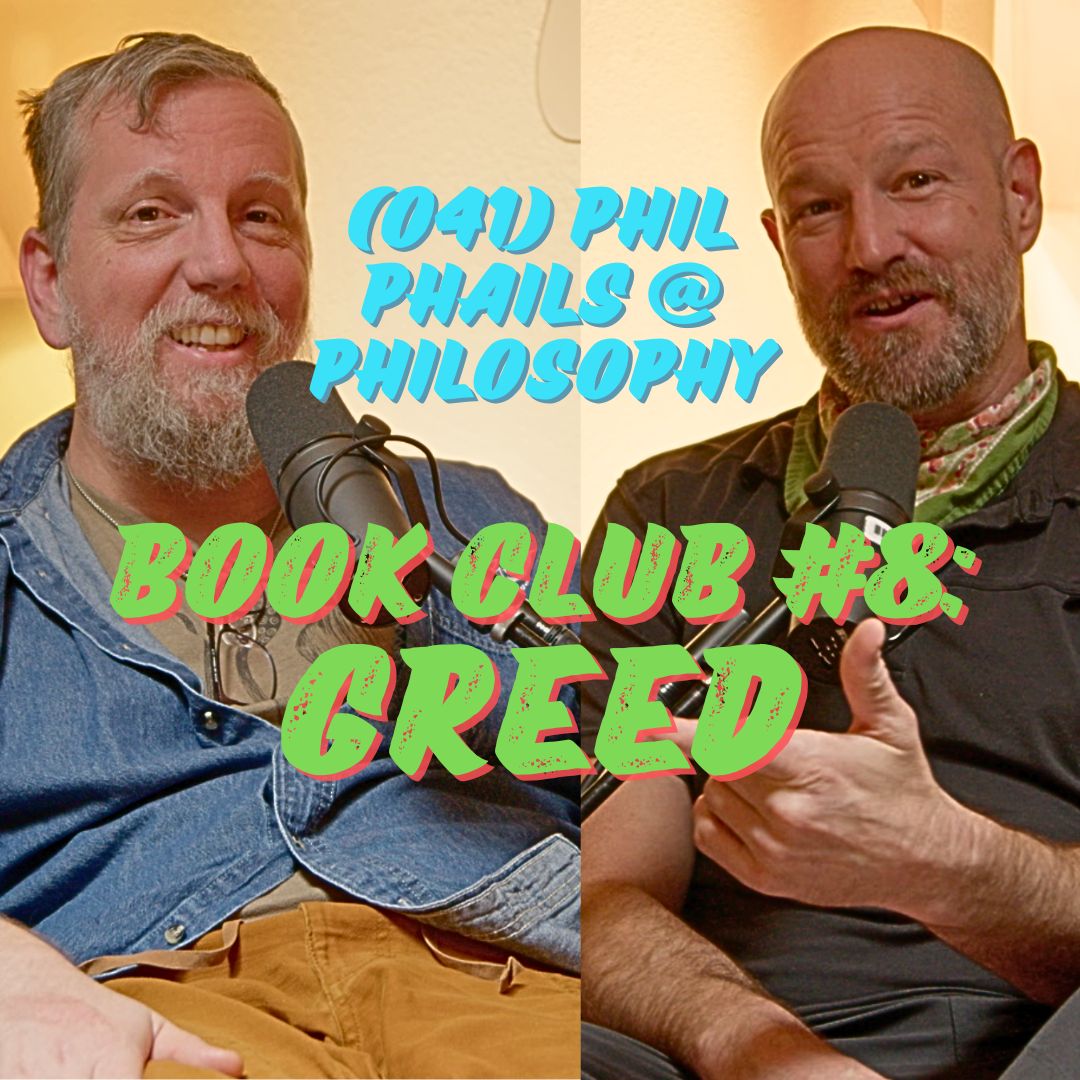
Greed feels baked into modern life. We chase more—more money, more stuff, more success—yet rarely pause to ask: how much is enough? In our latest philosophy book club, Grant Potts and I dove into this question through a chapter that contrasts Western economic thought with Buddhist wisdom on desire and a good life.
The conversation left me unsettled in the best way. It mixed big ideas about systems with very personal admissions about where greed shows up in our own lives.
Adam Smith, Milton Friedman, and the Promise of Greed
The chapter examines how thinkers like Adam Smith shifted our view of national wealth from hoarding gold to productivity and open markets. Smith saw self-interest (not raw greed) driving prosperity within a moral framework.
Later interpretations, especially from Milton Friedman and neoliberal economics, took this further: “greed is good.” The idea that unfettered pursuit of self-interest lifts all boats through growth and innovation.
But as we discussed, the results haven’t matched the promise. Rising inequality, concentrated power, and a system that often fails the least well-off raise real questions about whether this path truly serves human flourishing.
The Buddhist Take on Desire and Contentment
Buddhism offers a stark contrast. Desire and grasping are seen as roots of suffering. Contentment and moderation aren’t about rejecting prosperity but about relating to it wisely—seeking well-being for self and others rather than endless accumulation.
The chapter circles back to human flourishing from the first question in the book. A good life isn’t defined by how much you acquire but by virtue, relationships, and inner peace. This resonated deeply: prosperity without wisdom can corrupt.
Greed in Everyday Life
We got honest about where this shows up personally. For me, it’s easy to justify holding back—whether skipping a fair tip, not donating at a meditation center, or hoarding books and games. Grant talked about similar patterns rooted in scarcity mindsets or past experiences.
These aren’t just small habits. They reflect how greed (or fear of lack) blocks generosity, connection, and the deeper satisfaction of giving.
My Personal Reflection
This chapter challenged my assumptions about economic systems and my own behavior. What surprised me was how Adam Smith’s ideas, when read fully, feel more balanced than the “greed is good” caricature we inherited. What challenged me was recognizing my own clever ways of minimizing generosity while still wanting to see myself as a good person.
I’m rethinking what prosperity means—not as endless growth, but as enough to live well and help others do the same. The anger I sometimes feel reading these dense texts mirrors the frustration with systems that promise happiness through acquisition but deliver something emptier.
Practical Takeaways
- Question “more” — Regularly ask yourself “how much is enough?” in spending, consuming, or acquiring.
- Distinguish self-interest from greed — Self-interest can build value; unchecked greed isolates and corrupts.
- Practice small generosity — Start with a dollar in the tip jar or donation box—build the muscle of giving without waiting to feel abundant.
- Cultivate contentment — Notice when desire for the next thing overrides appreciation for what you have.
- Build from within — Clean your own house first (habits, mindset) before trying to fix larger systems.
- Seek relational wealth — Prioritize relationships and community over pure financial metrics.
Final Thoughts
Philosophy like this doesn’t hand out easy answers. It complicates the stories we tell ourselves about success, money, and a good life. But sitting with that complexity is part of becoming more awake, more generous, and more human.
About Grant Potts
Grant Potts is a distinguished faculty member at Austin Community College, specializing in Philosophy, Religion