What Is Functional Health? Stress, Gut Health, and Real Wellness
Phillip Jones talks with functional nutritionist Ashley Eaves about the difference between clinical and functional health. Learn how stress impacts your gut, hormones, and habits—and practical ways to build sustainable energy and well-being.
Most of us think of health in binary terms: either you’re sick or you’re not. Labs come back “normal,” so everything must be fine. But what if “normal” isn’t optimal? What if feeling tired, stressed, and stuck in old habits is quietly undermining your energy and long-term health?
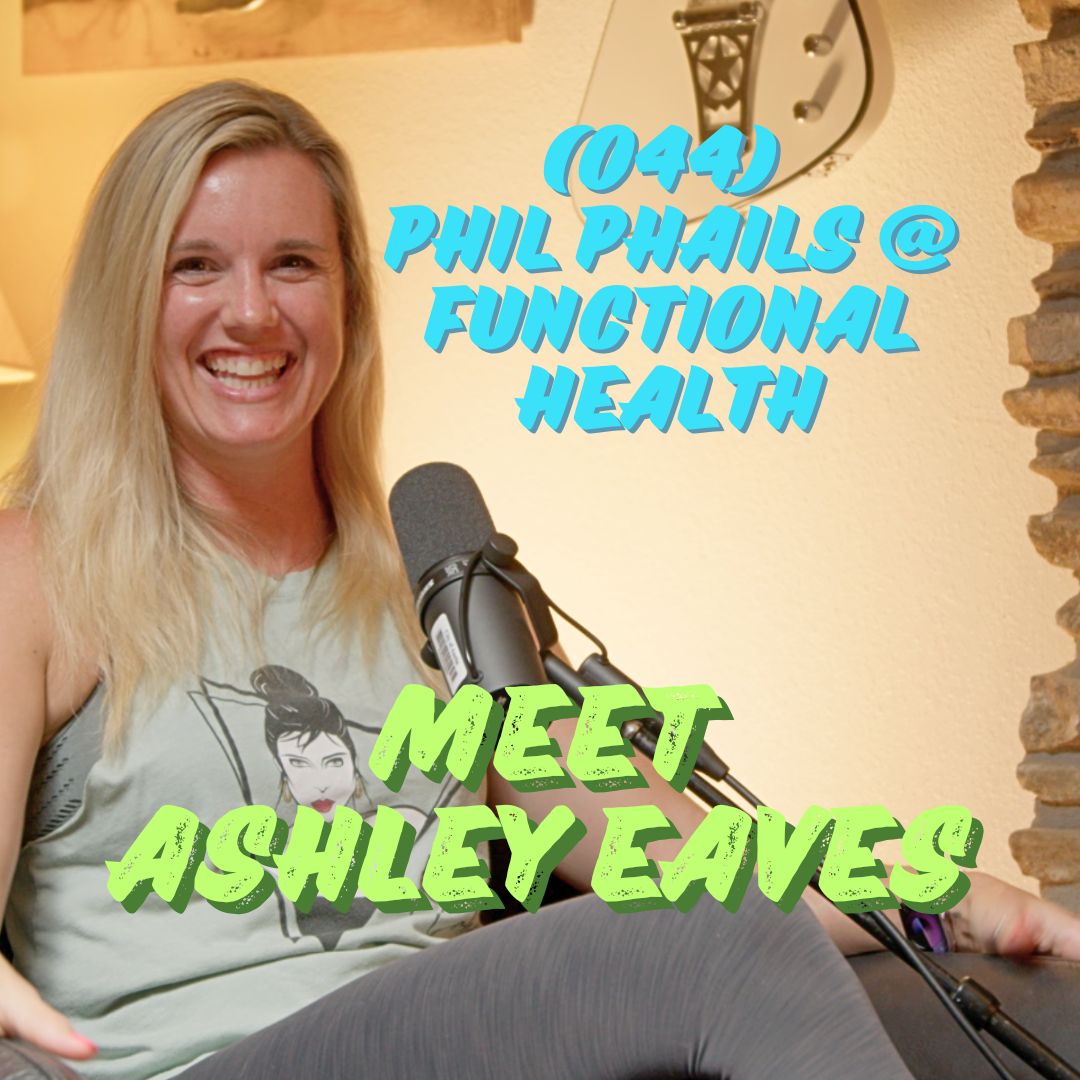
In this episode of Phil Phails, I sat down with Ashley Eaves—registered dietitian, functional nutritionist, personal trainer, and gut health specialist—to explore what true functional health looks like.
Functional vs. Clinical Health
Ashley explained it clearly: clinical medicine often asks whether something is diseased or not. Functional health looks deeper—at optimal ranges, sustainability, and the full picture of your life.
It includes what you eat, how you move (beyond formal exercise), your stress levels, sleep, joy, relationships, and even spirituality. Health isn’t just one puzzle piece. It’s the whole system working together.
How Stress Quietly Sabotages Your Body
Stress is inflammation. In ancient times, it helped us escape danger. Today, our “paper tigers” (work deadlines, relationships, daily pressures) keep the stress response on. This slows digestion, alters fat storage (especially visceral fat), disrupts hormones, and makes it harder to recover from exercise or think clearly.
Ashley noted that when stressed, your body prioritizes survival over maintenance. That burger you eat under pressure doesn’t process the same way.
Mindset, Beliefs, and the Power of Agency
One of the most powerful insights: your beliefs shape your biology. If you don’t believe your body can change, it won’t cooperate easily. Neuroplasticity works both ways.
We talked about replacing stress eating and other coping mechanisms. Instead of relying on willpower alone, create setups—awareness (like food logging), pause buttons (20-minute timers), and alternative sources of comfort, dopamine, or escape (movement, music, connection, nature).
Rebuilding Sustainable Health
Ashley works a lot with women in perimenopause and menopause, where hormones, energy, and body composition shift. The approach stays the same: address root causes through food as medicine, movement, stress management, and mindset.
Small, repeatable changes compound. You don’t need perfection—just consistent, compassionate experimentation.
My Personal Reflection
This conversation hit home. I’ve been on my own health journey, paying attention to movement, nutrition, and sleep. Talking with Ashley made me realize how much stress and old mental patterns still influence my choices. What surprised me was how clearly she connected everyday habits to deeper biology and mindset.
It challenged me to move beyond “trying harder” toward smarter setups and greater self-compassion. I left feeling hopeful—real change is possible when we treat the whole person.
Practical Takeaways
- Check your stress response — Notice when you’re reaching for food, alcohol, or screens not from hunger but from discomfort. Pause and name what you’re actually seeking (comfort, escape, reward).
- Build alternative rituals — Make a list of non-food ways to get comfort or dopamine (walk, music, call a friend, meditate, creative hobbies). Keep it accessible.
- Log to create awareness — Track food, energy, and mood for a week. Patterns become obvious.
- Focus on optimal, not just normal — Work with practitioners who look beyond basic lab ranges when something feels off.
- Support your gut and hormones — Prioritize whole foods, manage chronic stress, and consider targeted testing (GI mapping, hormones) if needed.
- Cultivate agency — Believe your body can change. Small, consistent actions grounded in self-compassion beat willpower every time.
Final Thoughts
Health isn’t about quick fixes or shame. It’s about creating a life where your body, mind, and daily habits work together. Ashley’s approach reminds us we have more power than we think—if we’re willing to get curious and experiment.
About Ashley Eaves
Ashley Eaves, RD, LN, is a seasoned Registered Dietitian, Functional Nutritionist, Certified Personal Trainer, and Gut Health Specialist with nearly two decades of experience. With a Master’s in Nutrition and Kinesiology and advanced training in holistic health, she helps women—especially those in perimenopause and menopause—to reclaim vitality through science-backed strategies.
👉 Find Ashley:
- Website: healthyliferd.com
- Instagram: @healthylife_rd
- Facebook: healthyliferd
- LinkedIn: Ashley Eaves
- LinkTree: healthyliferd