What Do We Owe Future Generations? Philosophy Reflections
Phillip Jones and philosopher Grant Potts wrestle with dense ideas on obligations to future generations, climate ethics, and Buddhist-Western thought. Honest talk on anger at difficult texts, personal growth, and finding meaning in philosophy.
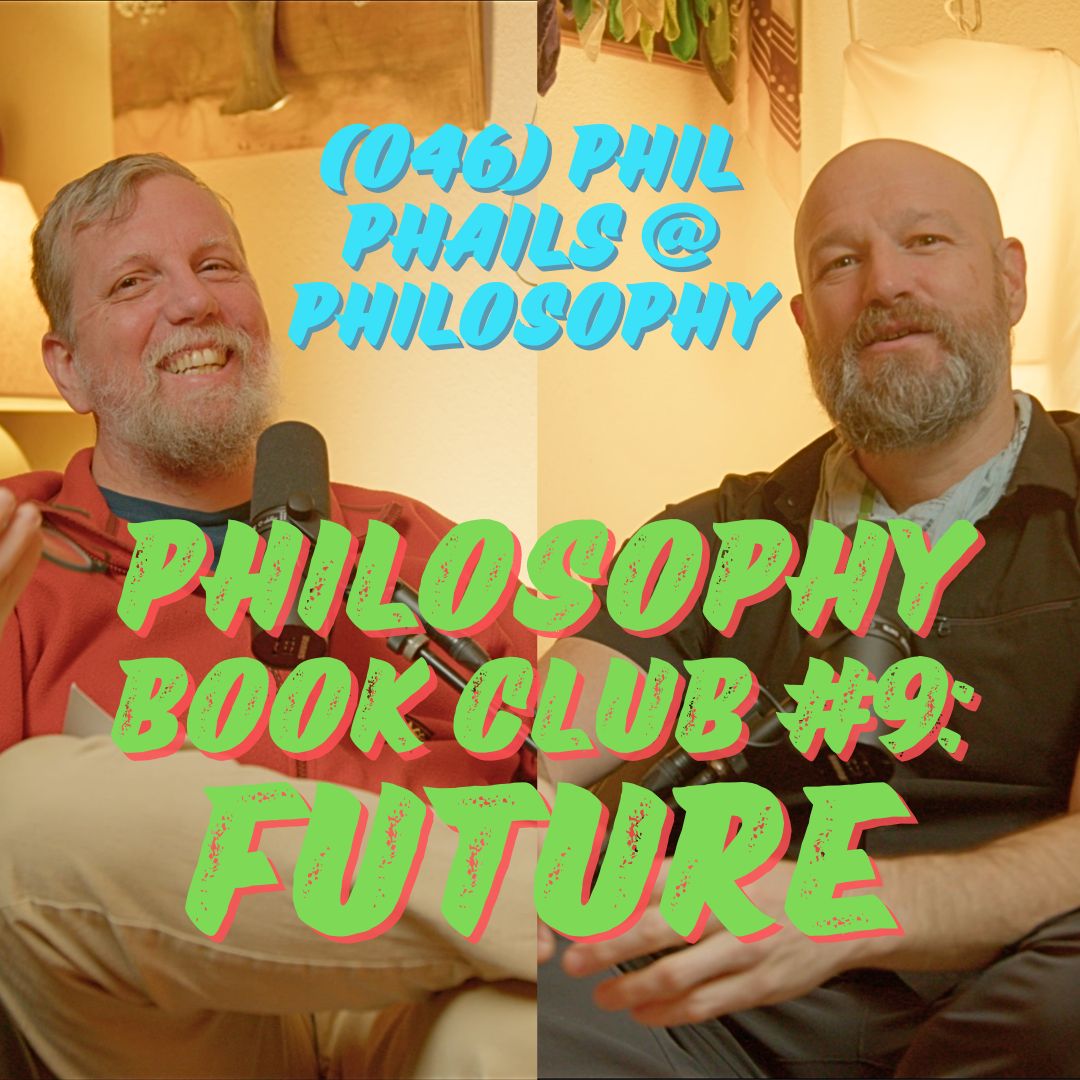
Reading philosophy can be infuriating. Sentences loop, ideas feel impenetrable, and you’re left wondering if you’re the problem or the text is. That tension opened our latest philosophy book club conversation with Grant Potts as we tackled the final question in our series: What do we owe future generations?
The discussion blended frustration with insight, moving from climate interdependence to capitalism, anger as a signal, and why wrestling with hard ideas still matters for personal growth.
The Anger of Reading Dense Philosophy
Grant and I both admitted it: these texts spark anger. Not just irritation — real frustration at convoluted arguments and academic density. I glaze over paragraphs. Grant sees students hit the same wall.
That anger often masks insecurity or feeling inadequate. But pushing through it builds something valuable: intellectual humility and persistence. Philosophy isn’t meant to be easy. It stretches how we think.
What Do We Owe Future Generations?
The core question explores ethics in an interdependent world. With massive population growth and climate impacts, our actions ripple forward. Buddhist perspectives emphasize compassion and relationality, contrasting with some Western frameworks.
We don’t have easy reciprocity with people who don’t yet exist. Yet the scale of modern problems — resource exhaustion, environmental harm — makes ignoring them untenable. Technical solutions exist, but they require collective will and ethical recognition.
Late-Stage Capitalism and Modern Complexity
We touched on how industrialization and capital concentration complicate simple human needs (food, community, rest). Life feels layered with middlemen, brands, and systems that prioritize ROI over well-being.
This creates a predicament, not just a solvable problem. Competing goods and power structures make alignment difficult. The discussion highlighted how financial language shapes what we value, often at the expense of deeper enrichment.
My Personal Reflection
This episode challenged me. What surprised me was how quickly anger surfaced when engaging dense material — and how familiar Grant was with that student response. It made me rethink my own resistance. What challenged me was confronting how much modern life distances us from basic needs while claiming to simplify them.
I learned (again) that growth often lives in the discomfort — whether reading philosophy or facing larger ethical questions. Showing up consistently, even when it’s hard, builds capacity.
Practical Takeaways
- Push through hard texts — Reread sections, accept confusion as part of the process, and discuss with others.
- Notice anger as information — When dense ideas frustrate you, pause and ask what insecurity or value it touches.
- Think relationally — Consider how your daily choices affect unseen future people through compassion and interdependence.
- Simplify where possible — Reduce layers between you and basic needs (movement, food awareness, community) to reclaim clarity.
- Build intellectual habits — Regular exposure to challenging ideas strengthens humility and clearer thinking over time.
- Focus on enrichment over capital — Prioritize relationships, well-being, and long-term good beyond financial metrics.
Final Thoughts
Philosophy doesn’t always deliver clean answers. Sometimes it leaves you unsettled, questioning systems, habits, and obligations. But that unsettled feeling is where real reflection begins.
About Grant Potts
Grant Potts is a distinguished faculty member at Austin Community College, specializing in Philosophy, Religion, and Humanities. A dedicated philosopher and curriculum developer, he promotes liberal education through the Great Question Foundation. Outside academia, Grant enjoys gardening, hiking, cycling, and tabletop roleplaying games with family and friends.