How to Live a Good Life: Philosophy Book Club Reflections
Phil Jones and Grant Potts wrap up “The Big Questions of Philosophy,” exploring how to live a good life, knowledge as awareness, free will, meritocracy, and inner shadow work. Honest conversation on flourishing, agency, and personal growth.
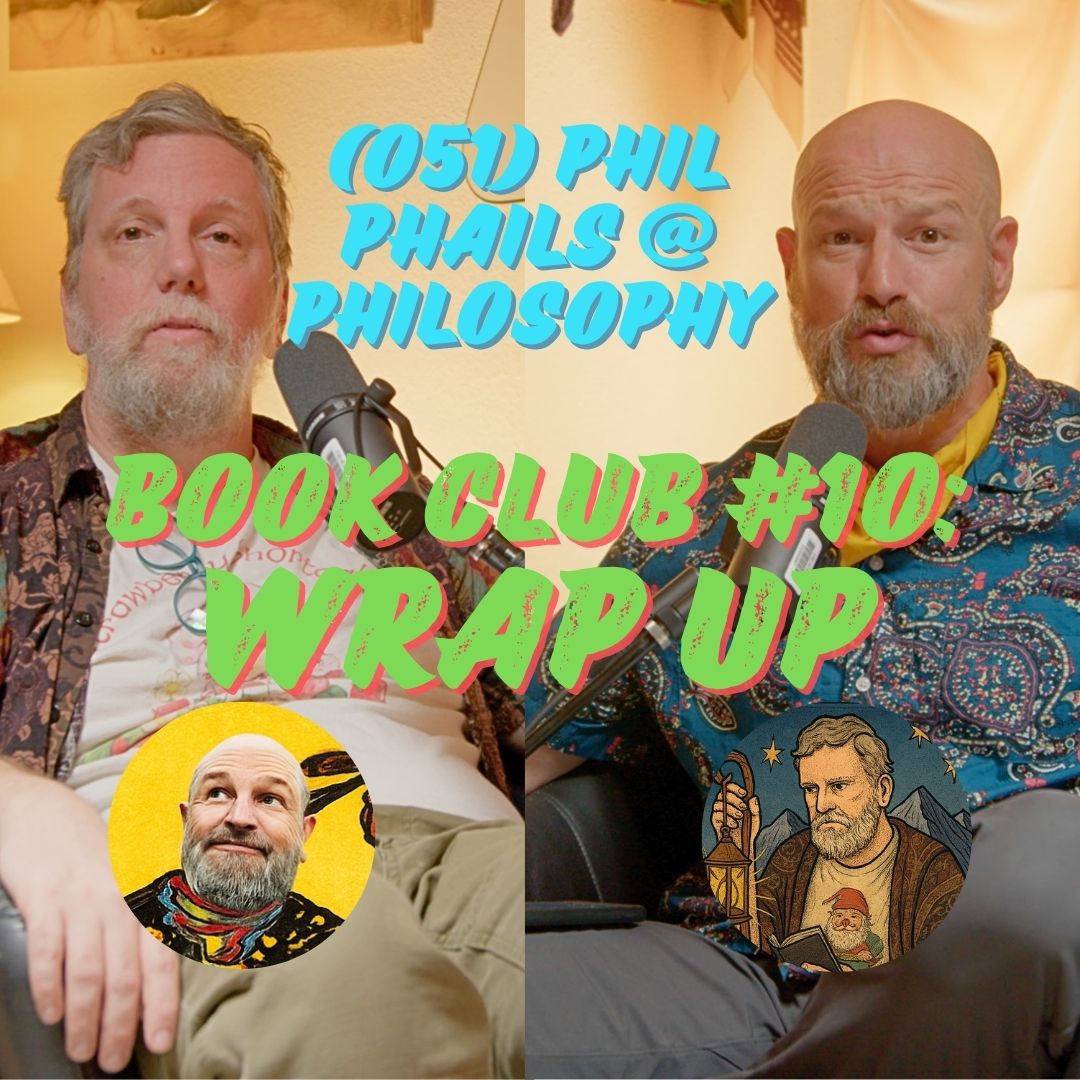
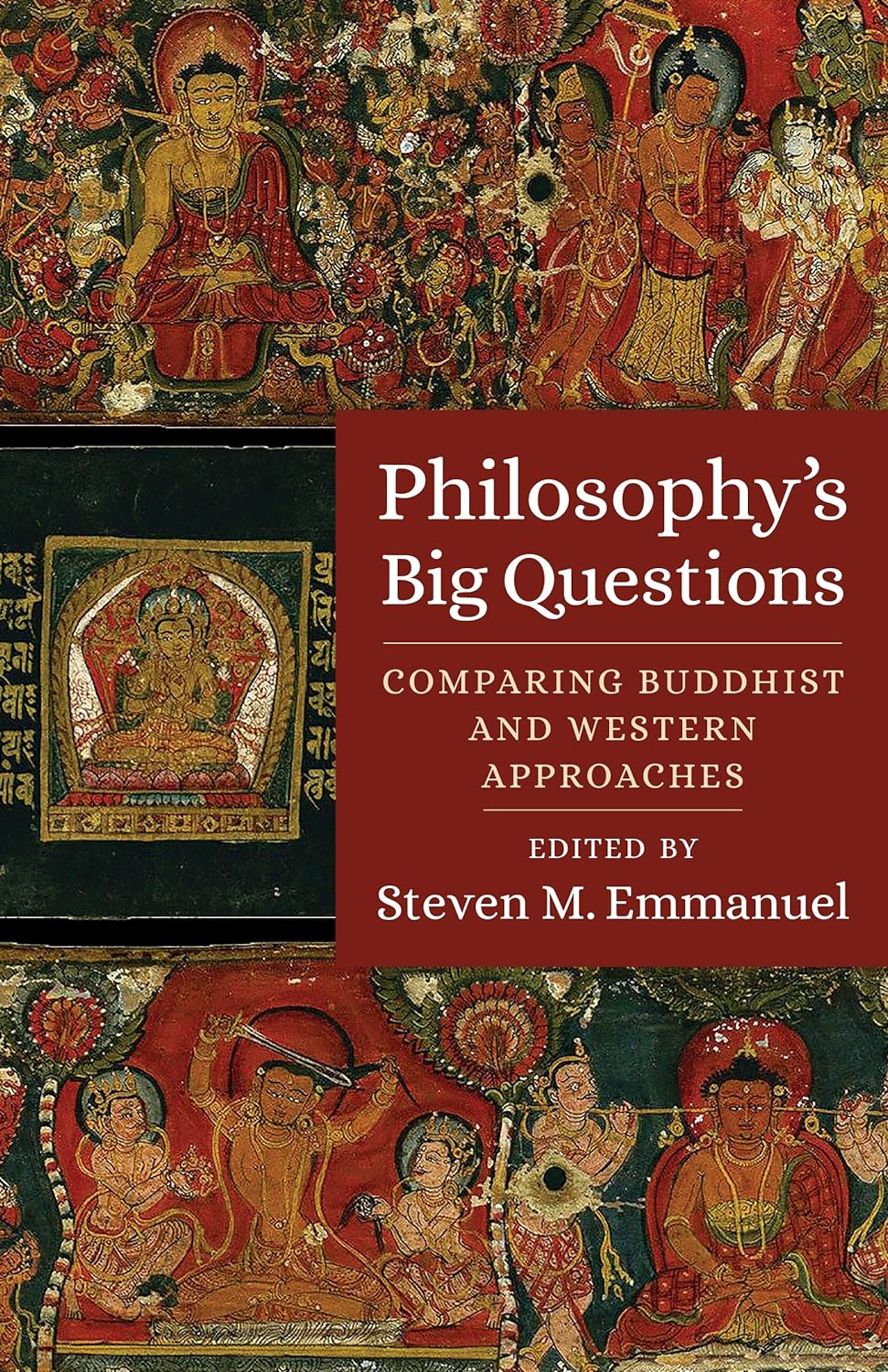
Grant Potts and I sat down again for another Phil Phails at Philosophy book club. We’d been working through The Big Questions of Philosophy and decided it was time to wrap it up, reflect on what stuck with us, and pick the next book. What started as a discussion of big ideas quickly turned into something more personal—how we actually try to live well in a messy world.
We bounced between virtue, outcomes, awareness, agency, and the traps of modern meritocracy. It felt less like abstract philosophy and more like two friends trying to make sense of how to show up better in daily life.
What Does It Mean to Live a Good Life?
This was our starting point and the thread that ran through everything. For Grant, it comes back to cultivation—tending the garden of your mind, habits, and relationships the way you’d tend an actual garden. Flourishing isn’t just feeling good in the moment; it’s building something sustainable that benefits both you and the people around you.
We agreed that living a good life means pursuing what you care about wholeheartedly, but not at the expense of others. Virtue matters. Outcomes matter. But the foundation is character—becoming the kind of person who naturally leans toward honesty, care, and growth.
Knowledge as Awareness
One of the most practical takeaways for me was reframing knowledge not as facts on a page, but as deeper awareness. Grant put it well: it’s training our attention to see more clearly—both the world around us and our own inner landscape.
This ties directly into personal growth. The more aware we become (of our patterns, biases, autopilot habits), the better decisions we make. Reading long-form books, sitting with ideas, or simply noticing when we’re on autopilot all build that muscle.
Free Will, Agency, and How Much Is Actually Up to Us
We wrestled with the classic tension: how much control do we really have? Life is shaped by circumstances, upbringing, and systems we didn’t choose. Yet we still have real agency in the moments that matter—especially when we’ve built good habits and character.
Grant’s point landed: most of life runs on autopilot, but awareness lets us wake up when it counts. That partial agency is enough to keep cultivating a better life.
The Problems with Meritocracy and Shadow Work
We touched on how our culture’s obsession with merit can become toxic. True excellence is worth pursuing, but when it becomes a ranking system that justifies inequality, it hurts everyone—including the “winners” trapped in endless striving.
This connected naturally to shadow work and the inner critic. Ignoring the parts of ourselves we deny or repress doesn’t make them go away. Bringing awareness and compassion to those hidden pieces is part of living a whole, good life.
My Personal Reflection
Talking with Grant always leaves me thinking longer than the episode lasts. What surprised me was how quickly big philosophical questions turned practical—how do I actually live this out today? What challenged me was admitting how much of my daily life runs on autopilot and how easy it is to normalize “more” without asking if it’s enough.
I’m reminded that philosophy isn’t just for professors. It’s a tool for clearer thinking and kinder living. Grant’s steady, curious approach makes these conversations feel doable instead of intimidating.
Practical Takeaways
- Cultivate daily — Treat your mind, body, and relationships like a garden. Small, consistent tending compounds.
- Build awareness — Notice when you’re on autopilot. Reading, reflection, or simple presence practices help you see more clearly.
- Pursue what you care about — Wholeheartedly, but check how it affects others. Self-love grounded in reality beats endless striving.
- Question meritocracy — Excellence matters, but don’t let ranking systems define your worth or justify harming community.
- Integrate your shadow — The parts you hide or deny need compassion too. They often protected you once.
- Ask “Is this enough?” regularly — Especially around money, status, and busyness. A good life has room for rest and connection.
Final Thoughts
A good life isn’t a perfect formula. It’s an ongoing practice of awareness, cultivation, and care—for ourselves and the world we share. I’m grateful for conversations like this one with Grant that make philosophy feel alive and useful.
We’ll keep going. Next up, we’re digging into a few new books (including some shorter, spicier ones). Let me know in the comments which direction you want us to take.
About Grant Potts
Grant Potts is a faculty member at Austin Community College teaching Philosophy, Religion, and Humanities. He’s a scholar of religion, philosopher, and curriculum developer passionate about liberal education and the Great Question Foundation. Outside academia, Grant is an avid gardener, hiker, cyclist, and tabletop RPG enthusiast.