What happens when love, attention, frustration, and misunderstanding all collide in the same relationship
I’ve long suspected that many of my struggles in romantic relationships weren’t just “me being bad at them.” Sitting down with Anita Robertson, LCSW — ADHD relationship therapist and author of ADHD & Us — confirmed that a lot of what I’ve called failure was actually the predictable clash between an ADHD brain and the increasing demands of shared life.
Our conversation moved through fixed vs growth mindset, executive functioning challenges, sensory needs, rejection sensitivity, and how two people who love each other can keep missing each other despite both trying hard. It felt honest, practical, and deeply relieving.
The Fixed Mindset Trap in Relationships
Anita explained how most of us were raised in a fixed mindset culture: you’re either good at something or you’re not. Smart or dumb. Athletic or uncoordinated. In relationships, this shows up as “Why can’t you just do this?” or “This shouldn’t be so hard.”
For ADHD brains, this mindset is especially damaging. By age 12, many ADHD kids have received 20,000 more negative messages than their peers. That builds deep patterns of shame, perfectionism, and fear of being seen as flawed. We hide our struggles or overcompensate, which eventually creates distance in our closest relationships.
Executive Function Overload and the Jenga Tower
One of the most helpful metaphors Anita shared was the Jenga tower. Many ADHD adults build impressive lives with creative workarounds — but the structure isn’t always stable. As relationships progress (wedding planning, buying a house, kids, aging parents, career demands), the executive function load increases dramatically.
Tasks that feel mundane to others — paperwork, planning ahead, consistent chores — become ADHD kryptonite. When the tower starts to wobble, misunderstandings snowball: “Do they even care?” or “Why do I have to do everything?”
This isn’t laziness or lack of love. It’s neurology meeting modern life with minimal societal support.
Growth Mindset, Praise, and Sensory Needs
The antidote, according to Anita, starts with embracing a growth mindset — seeing “failure” as First Attempt In Learning. Praise (specific, authentic, consistent) becomes a powerful tool. Sensory awareness is equally important. Many ADHDers have unique sensory profiles that affect regulation, focus, and emotional availability.
Movement, novelty, body doubling, visual supports, and understanding each other’s needs can transform daily friction into teamwork.
Personal Reflection
Talking with Anita hit close to home. I saw how my own ADHD tendencies — the rush, the hyperfocus on interesting things while mundane tasks pile up, the shame when I drop balls — have strained relationships, especially as life got more complex. What surprised me was how much relational trauma from childhood shows up in adult partnerships. What challenged me was recognizing that both people are usually trying their best with the tools they were given.
Her compassion for the ADHD experience without excusing impact felt balanced and hopeful. It made me want to bring more awareness and grace into my own relationships.
Practical Takeaways
- Shift from fixed to growth mindset: View struggles as learning opportunities rather than proof of being “bad” at relationships.
- Use specific praise: Instead of “good job,” try “When you handled the kids’ schedules this week, I felt supported and relieved.”
- Understand sensory needs: Pay attention to what helps each of you regulate — movement, quiet, pressure, etc.
- Create external supports: Visual systems, body doubling, timers, and shared calendars reduce executive function battles.
- Repair early: When misunderstandings arise, get curious instead of critical. Ask “What’s happening for you right now?” instead of “Why can’t you…?”
- Embrace impermanence: Relationships change. People change. Build safety through ongoing learning rather than expecting perfection.
- Seek neurodivergent-affirming help: Work with therapists or resources that understand ADHD instead of pathologizing one partner.
Conclusion
You can’t fail at relationships in the way our culture taught us — as a final verdict on your worth. But you can get stuck in patterns that make connection harder than it needs to be. Anita’s work shows that with the right understanding, tools, and mindset, ADHD relationships can become some of the most dynamic, creative, and growth-oriented partnerships possible.
The journey isn’t about becoming perfect. It’s about becoming more aware, kinder, and better equipped — together.
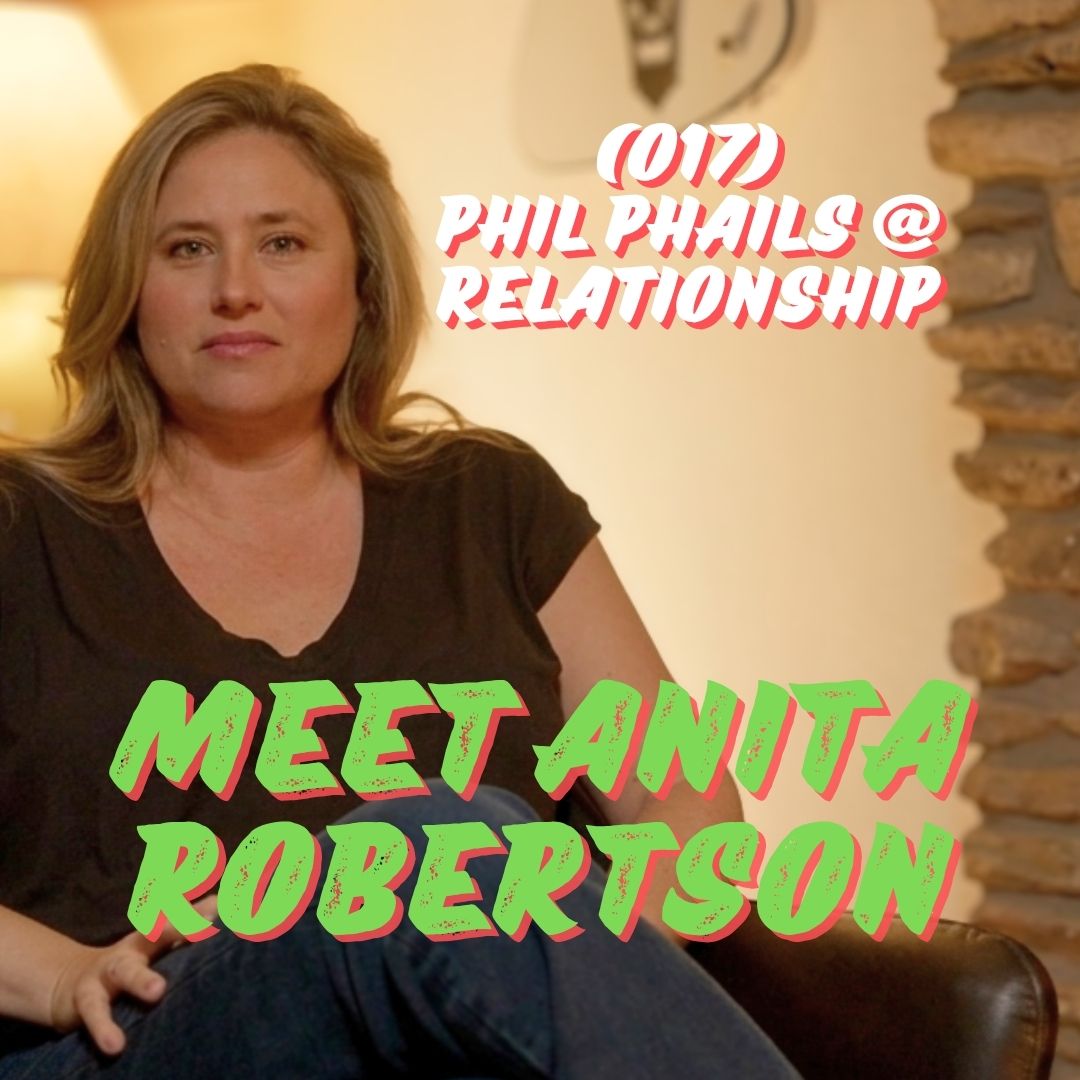
About Anita Robertson
Anita Robertson, LCSW is a psychotherapist in Austin, Texas and the author of ADHD & Us: A Couple’s Guide to Loving and Living with Adult ADHD. She created the ADHD Relationship Bootcamp to help neurodiverse couples build stronger connections. Drawing from her experience with children, camp directing, and couples counseling, Anita specializes in ADHD-friendly, interactive approaches full of movement and novelty.
If This Resonated
These conversations explore similar themes.
Thriving with Adult ADHD, Movement, Mindfulness, and Resilience in Real Life
How to work with your ADHD instead of fighting it every day
Authentic Relating and Emotional Connection with Sara Ness
Learning how to be more real with other people without losing yourself