Violet Crown and the Soul of Austin Cycling with Jay Bond
There’s a particular kind of belonging that happens on a group ride. You show up with your bike, your legs, and whatever version of yourself the week has lef...

The body is where experience actually happens—before thought, before language, before explanation.
These conversations explore stress, emotion, movement, and presence through lived experience.
There’s a particular kind of belonging that happens on a group ride. You show up with your bike, your legs, and whatever version of yourself the week has lef...
There is a quiet moment most people who ride long enough eventually reach. It is not the finish line or the personal best. It is the recognition that the bik...
How Cycling Builds Mental Resilience Through Training, Racing, and Discipline
How Lifting Weights Helped James Survive
How Studio Satya became a space where yoga turns into real community and connection
What weekly group rides reveal about confidence, consistency, and finding your people
What it feels like to bomb on stage, and still decide to keep going anyway
Learning to stay present through breath, change, and the natural endings and beginnings of life
Simple, practical ways to understand your digestion and feel better in your body and mind
Turning fitness data into confidence and habits that actually stick
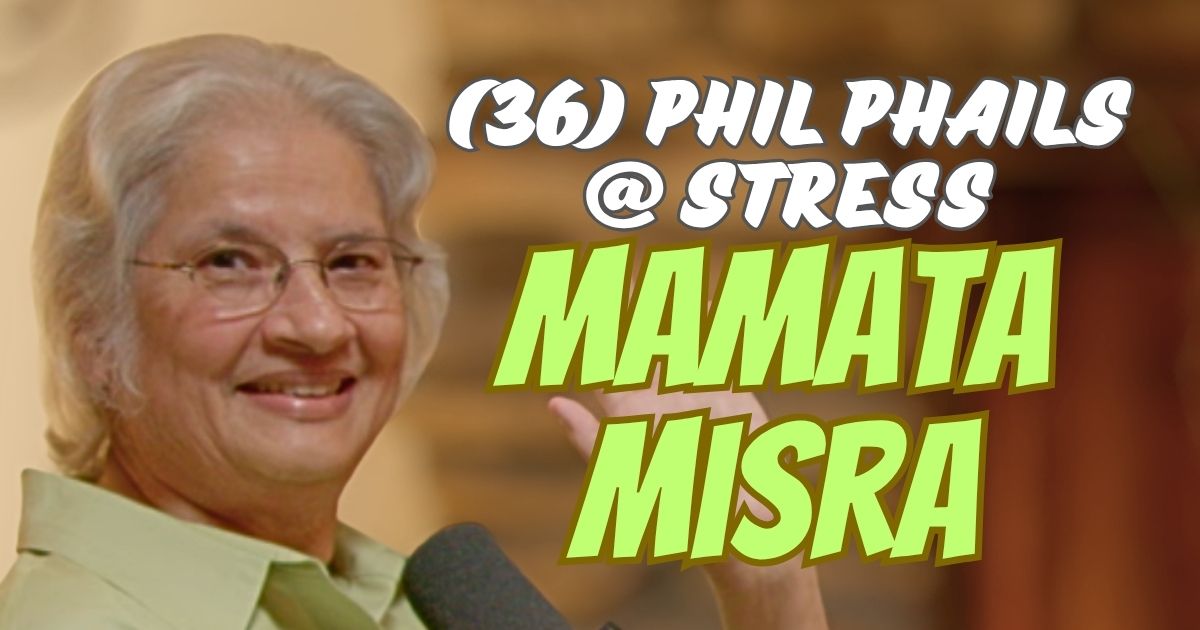
How stress and daily habits shape your energy, digestion, and long-term health
How yoga helps you stay grounded through stress, change, and emotional swings
Learning to meet stress with more awareness, less judgment, and a steadier body
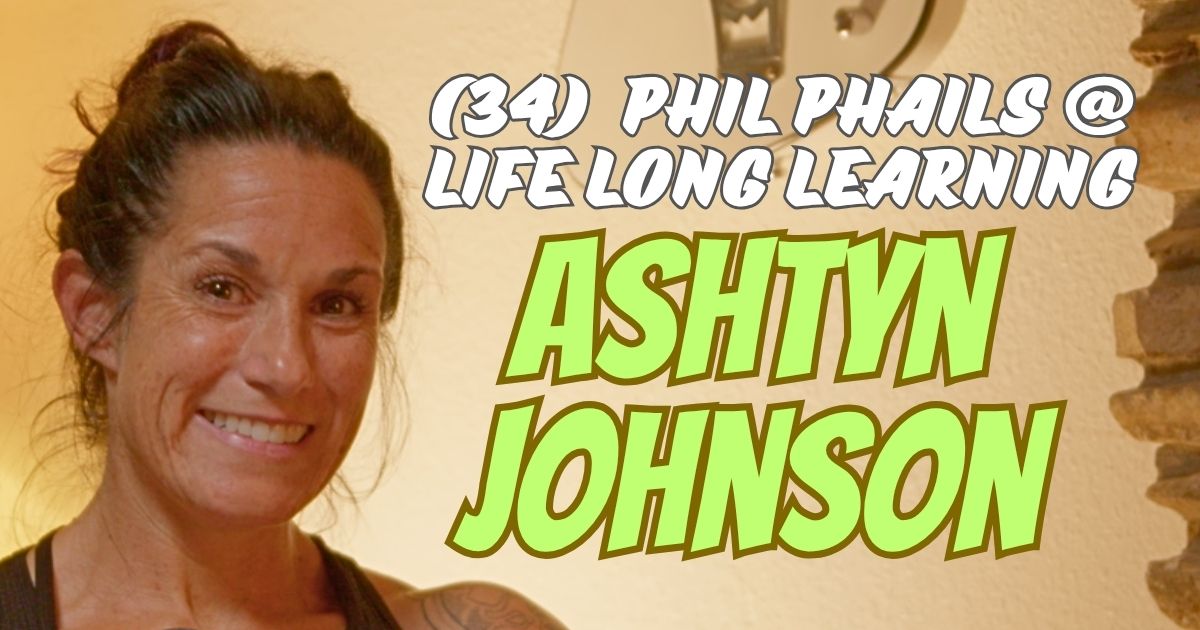
Learning to grow through patience, structure, and letting go of ego in training and life
Building trust, emotional openness, and connection through real human presence and shared experience
How to work with your ADHD instead of fighting it every day
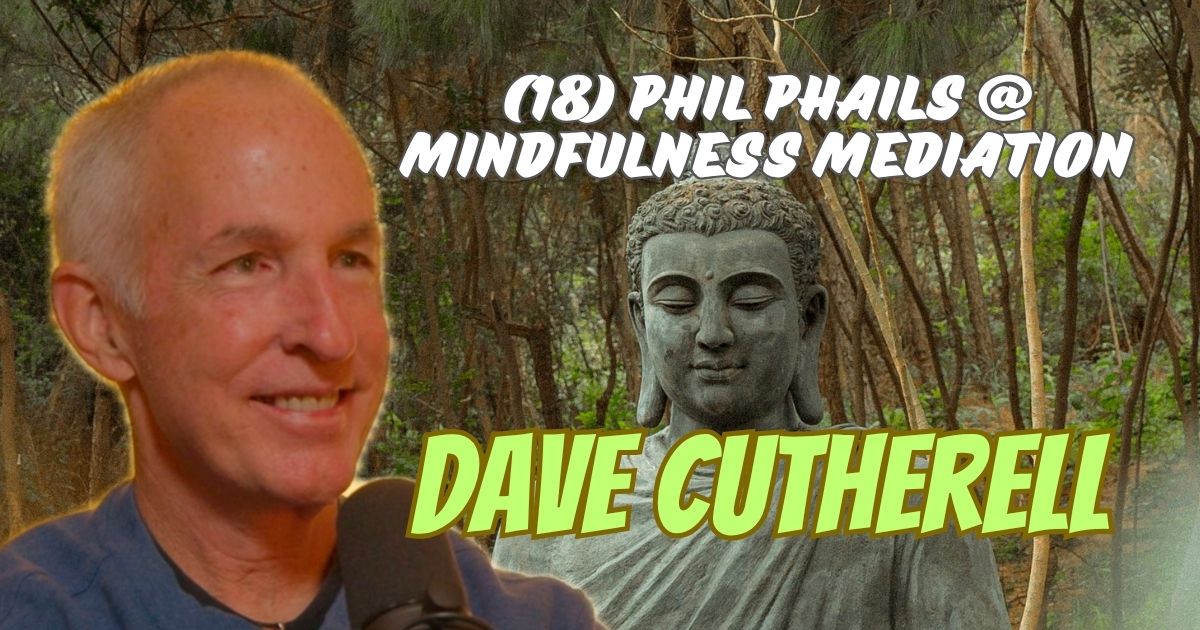
Training attention and awareness so calm becomes a skill you can return to in real time
The body is not separate from experience—it is the medium through which everything is felt.
Every emotional or mental state has a physical expression. Stress tightens, anxiety accelerates, calm steadies, and fatigue narrows attention. These are not metaphors—they are bodily shifts shaping perception in real time.
Across episodes, the body appears as a bridge between abstract thinking and lived reality. Ideas about identity, consciousness, or behavior become clearer when grounded in physical experience.
A central theme is regulation. The nervous system is constantly adjusting between activation and rest, scanning for safety, connection, and threat. When regulation is stable, clarity feels natural. When it is disrupted, even simple situations can feel overwhelming.
Breath is one of the simplest ways this system becomes visible. It connects conscious attention with unconscious processes. Slowing or deepening the breath can shift emotional state without needing to analyze thoughts.
Movement is another core pattern. The body is designed for motion, but modern life often restricts it. When movement is reduced, emotional and mental energy can feel stuck. When movement returns, clarity and mood often shift with it.
The body also holds memory. Experiences are stored not only as stories but as patterns of tension, posture, and reaction. This is why understanding something mentally does not always change how it feels physically.
Environment plays a constant role as well. Space, sound, temperature, and social presence all shape internal state. The body is always responding to context, not operating in isolation.
In mindfulness conversations, the body becomes an anchor. Attention returns to sensation—feet, breath, weight, contact with the ground. This shift reduces mental overload by widening awareness beyond thought alone.
Identity is also embodied. How someone moves, breathes, and reacts is part of who they are in practice, not just in concept. When the body changes, experience of self often changes with it.
Across episodes, the body is not something to override or fix. It is something to understand through direct attention. It communicates continuously through sensation, tension, energy, and impulse.
Most emotional and psychological experience is felt in the body before it is understood in thought.
When the body is ignored, signals build until they become overwhelm or reactivity.
When it is understood, experience becomes easier to navigate without forcing control or suppression.
This creates more clarity, steadiness, and responsiveness in everyday life.