Safety, Anger, and Power in Men’s Groups: A Hard Look at the Mankind Project
There are spaces that claim to help men grow. They invite vulnerability, shadow work, and honest confrontation. Sometimes those same spaces reproduce the ver...

Spirit is the part of experience that feels deeper than thought—presence, awareness, meaning, and lived connection.
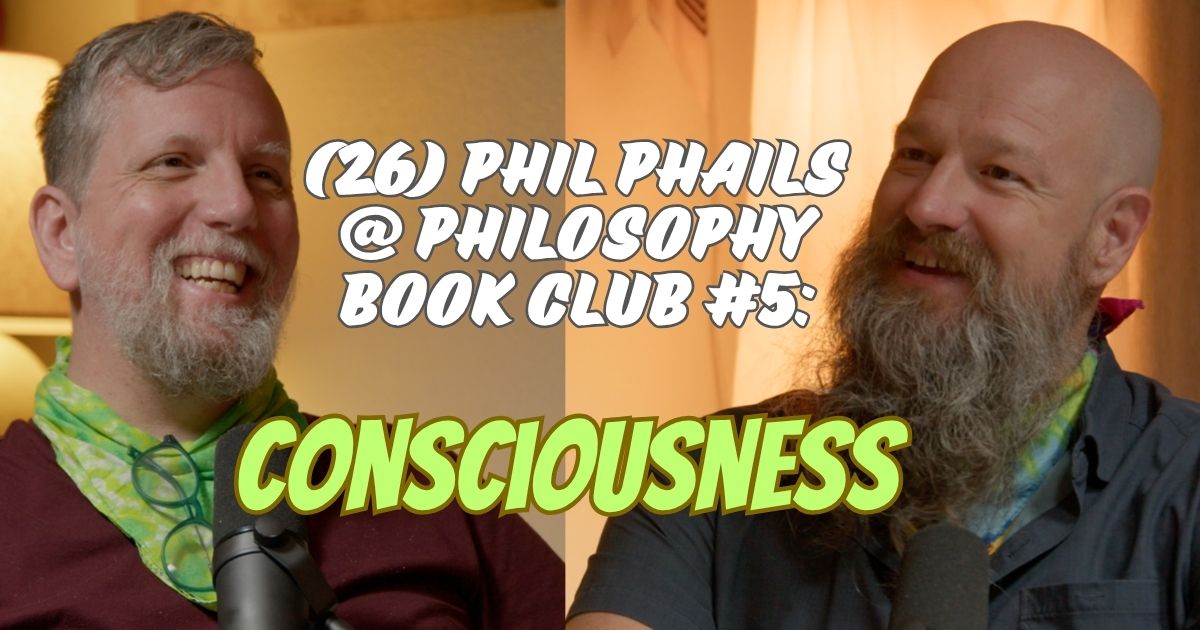
These episodes explore what it means to be aware, to feel meaning, and to stay present with uncertainty.
There are spaces that claim to help men grow. They invite vulnerability, shadow work, and honest confrontation. Sometimes those same spaces reproduce the ver...
Why The Alchemist Still Matters When You’re Trying to Figure Out Your Life
How Studio Satya became a space where yoga turns into real community and connection
What psychedelic mistakes, injury, and lived experience reveal about responsibility, healing, and growth
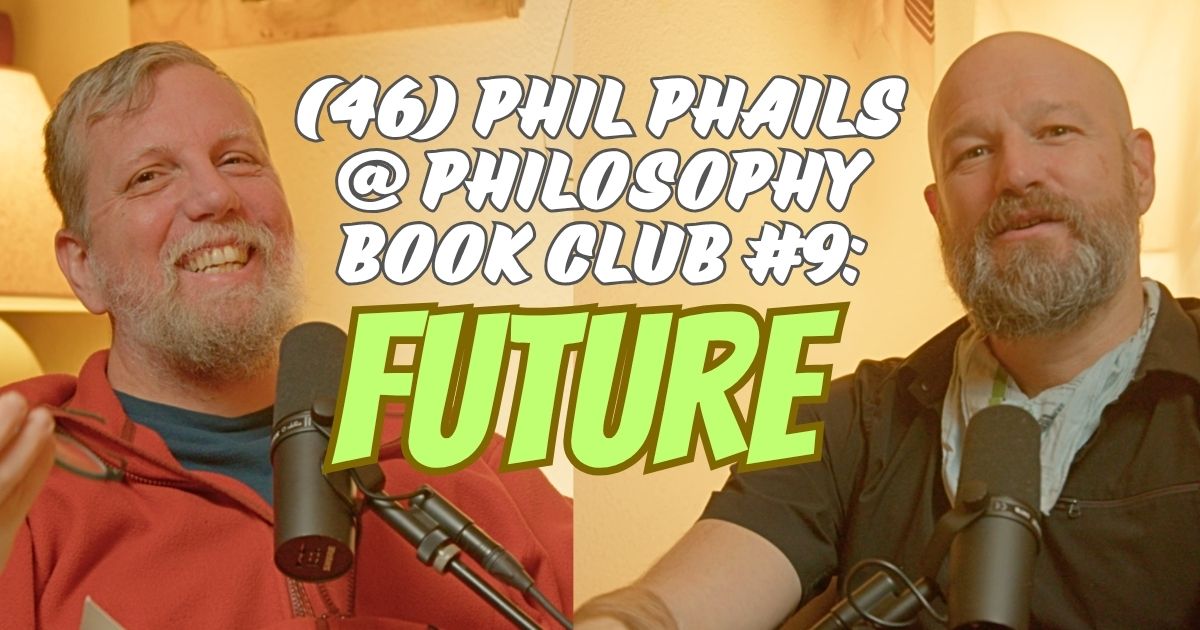
Why philosophy, friendship, and consistent conversation change how you think and see your life
Learning to trust the voice beneath thought, ego, and emotional noise
Learning to stay present through breath, change, and the natural endings and beginnings of life
Philosophy, frustration, and finding clarity in the questions that don’t have easy answers
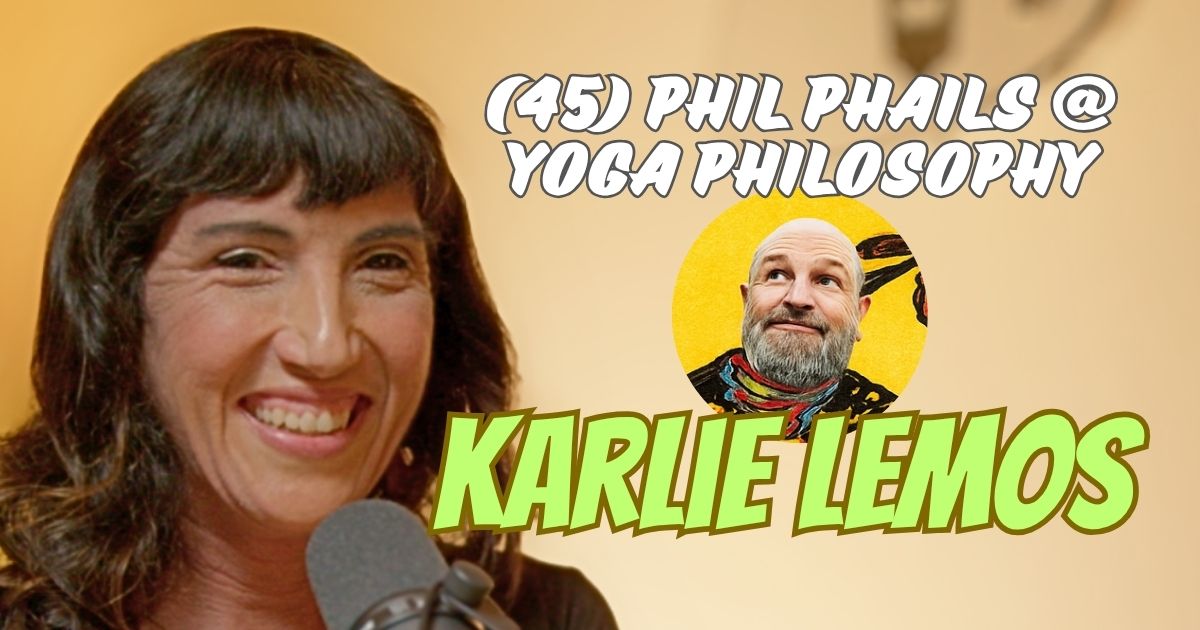
The practice begins on the mat, but the real work happens in daily life.
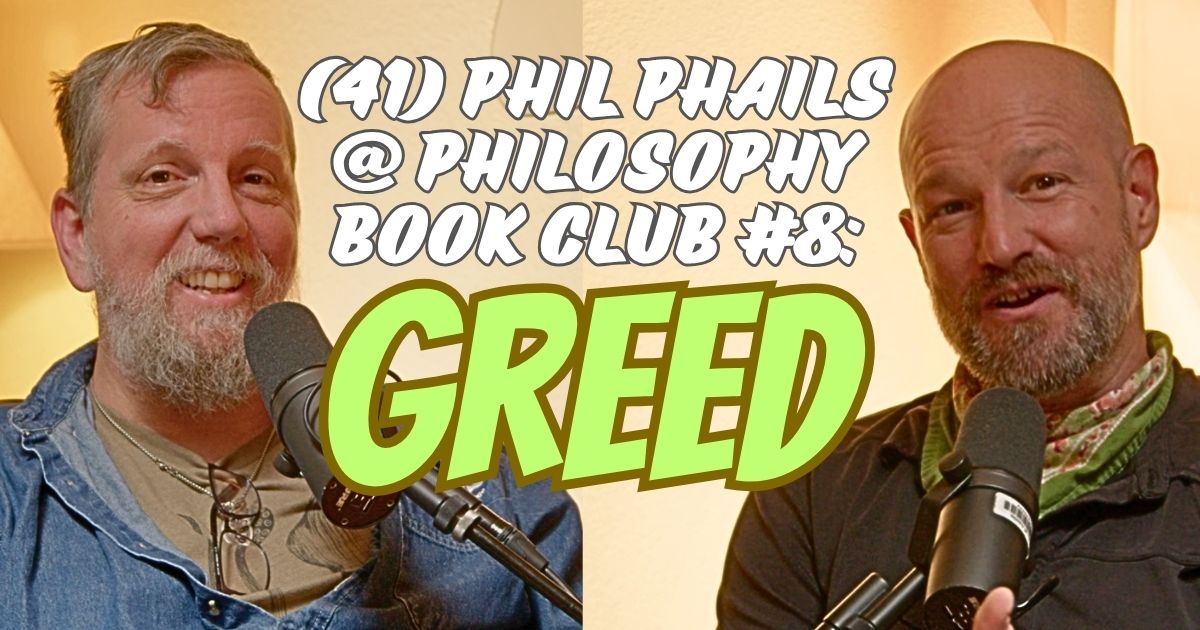
How greed shows up in everyday thinking, choices, and identity — and what philosophy reveals about it
How yoga helps you stay grounded through stress, change, and emotional swings
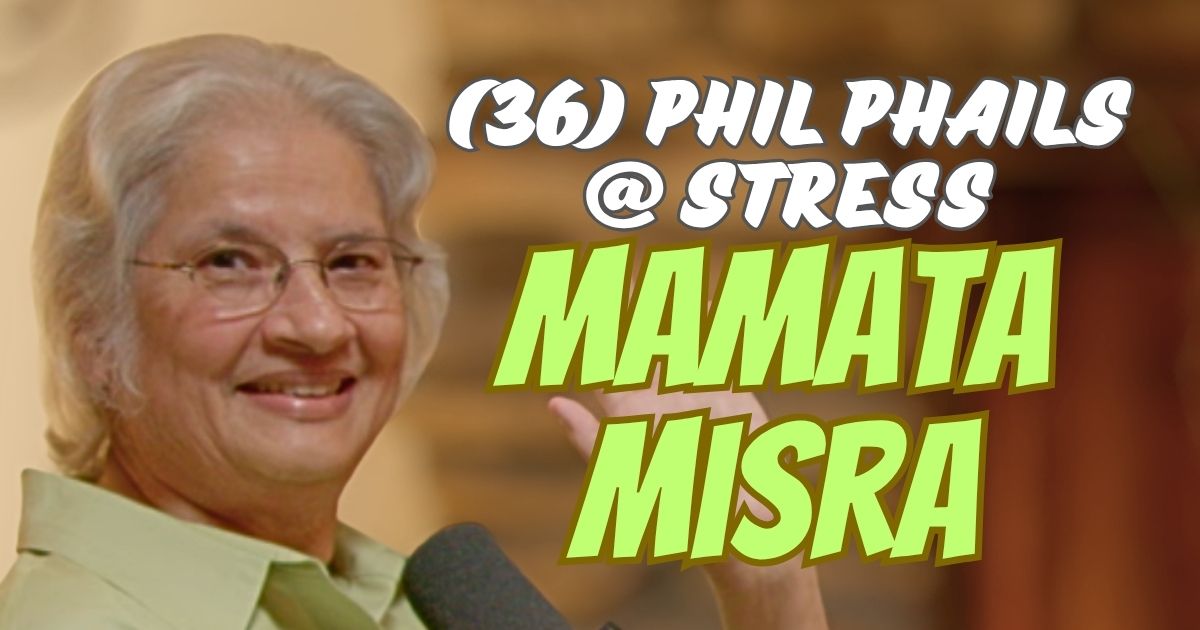
Learning to meet stress with more awareness, less judgment, and a steadier body
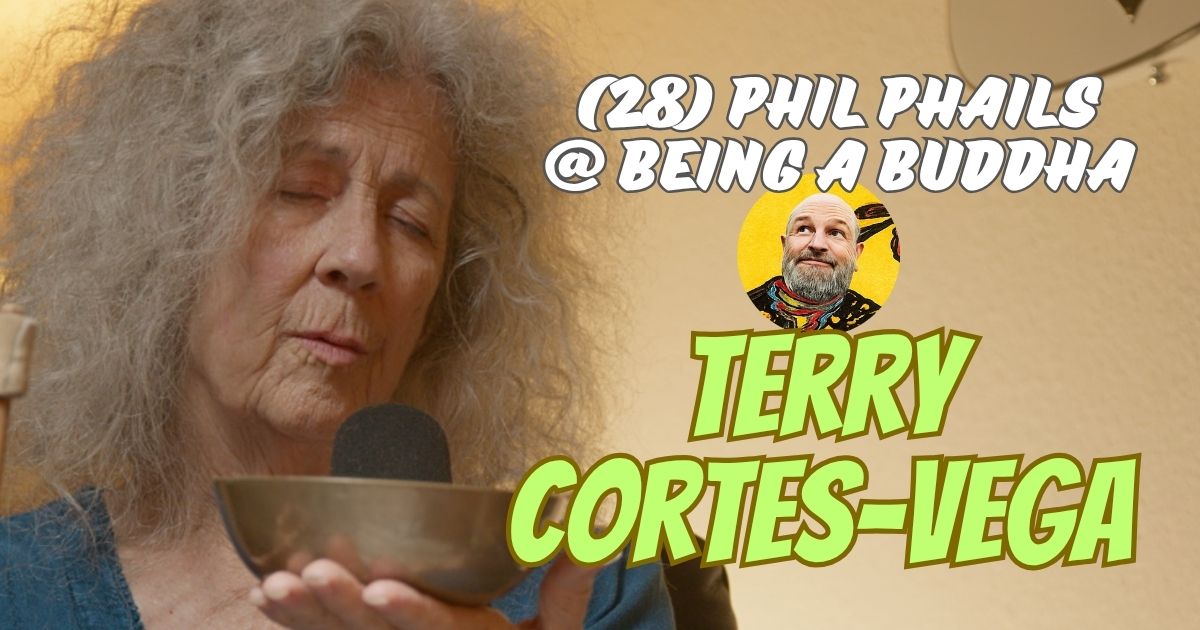
How Buddhist wisdom reframes suffering, justice, and emotional acceptance in everyday life
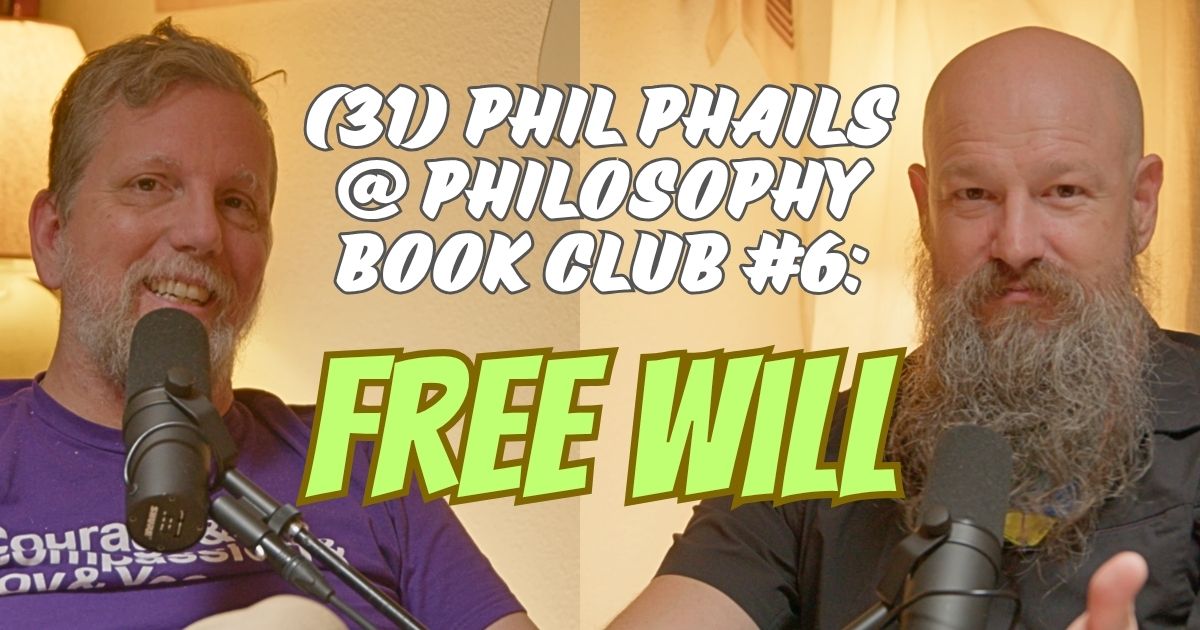
You are not fully in control, but you are not powerless either—how choice actually works in real life
A conversation about slowing down, meeting suffering honestly, and finding peace in ordinary moments.
What becomes possible when hiding is no longer an option and truth becomes the path forward?
Why your sense of self feels real but may only be a stream of experience
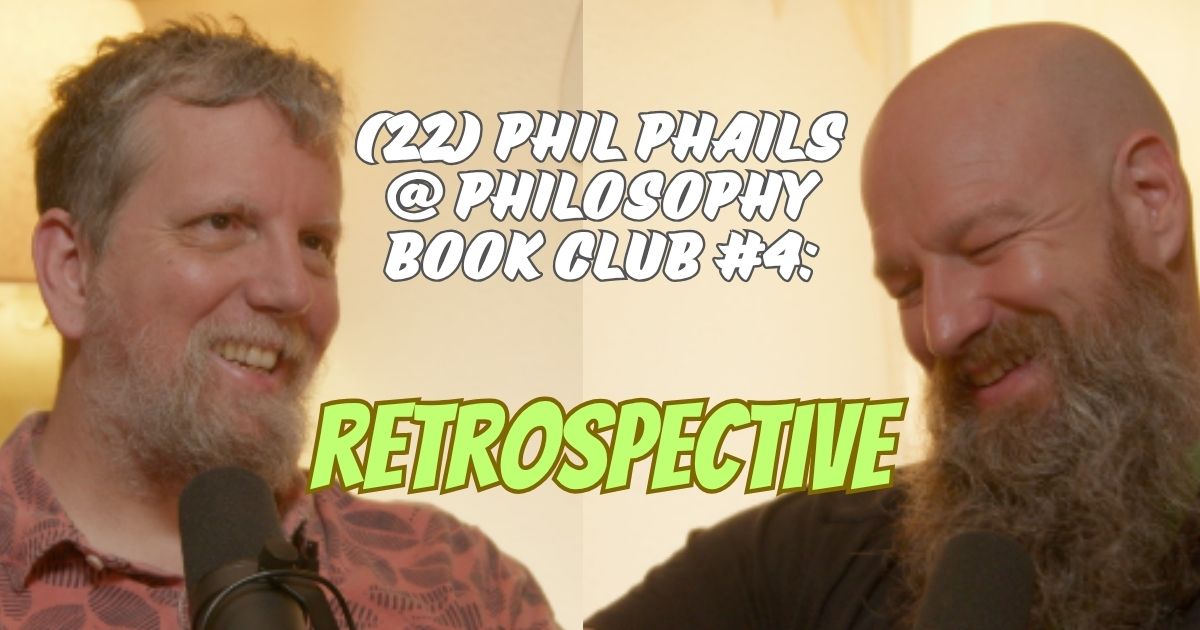
When you don’t fully understand the material, but the conversation still changes you
There’s a quiet tension most of us carry. We know we should slow down. We know the best ideas arrive when we stop forcing them. Yet the culture around us rew...
Most of us live inside a constant stream of thought. Planning, worrying, judging, rehearsing. We call it thinking. Sometimes it feels like the only voice ava...
Training attention and awareness so calm becomes a skill you can return to in real time
Why a less fixed sense of self can make uncertainty, connection, and change easier to hold
A grounded conversation about the questions people quietly carry through everyday life I’ve been wrestling with philosophy’s big questions for a while now, ...
Most of us spend our days inside a continuous stream of thought. Planning, worrying, rehearsing, judging. We call it thinking. Sometimes it feels like the on...
Spirit in Phil Phails is not treated as religion or belief—it is the experience of awareness itself, before it becomes language or explanation.
It appears when thinking slows down enough for attention to notice itself. Instead of being fully absorbed in thoughts, there is a shift toward recognizing that experience is happening in real time.
Across episodes, spiritual themes emerge through conversations about consciousness, identity, impermanence, and suffering. These are not abstract topics—they are direct encounters with lived experience.
A central idea is awareness as background. Thoughts, emotions, and sensations come and go, but awareness is always present. This recognition often changes how experience is held—it becomes less personal and more spacious.
Impermanence is another recurring thread. Everything changes: moods, identities, relationships, even beliefs. This can feel unsettling, but it also reduces the pressure to hold everything fixed or permanent.
Meaning is not treated as something separate that must be found. Instead, it emerges through attention and participation. How something is experienced matters as much as what is experienced.
Philosophical traditions like Buddhism often appear here, not as systems of belief but as ways of seeing experience more clearly. Ideas like emptiness or non-self point toward how identity is constructed moment by moment rather than being fixed.
There is also a tension between thinking and being. Thinking tries to explain experience. Being allows experience to unfold without immediate interpretation. Spirit lives closer to being—closer to direct contact with what is here.
Spirit is not separate from difficulty or emotion. It includes uncertainty, fear, openness, and clarity. What matters is the willingness to stay present with experience rather than immediately escaping into explanation.
It also shows up in connection—moments of honesty, silence, nature, or conversation where something feels undistorted. These moments are simple but grounding.
Across conversations, spirit is not an escape from reality—it is a deeper contact with it.
Spirit matters because it restores a sense of presence in a world that is often dominated by thinking and analysis.
It helps people relate to uncertainty without immediately trying to control or solve it.
This creates more space, more clarity, and a less reactive relationship with experience.