Violet Crown and the Soul of Austin Cycling with Jay Bond
There’s a particular kind of belonging that happens on a group ride. You show up with your bike, your legs, and whatever version of yourself the week has lef...
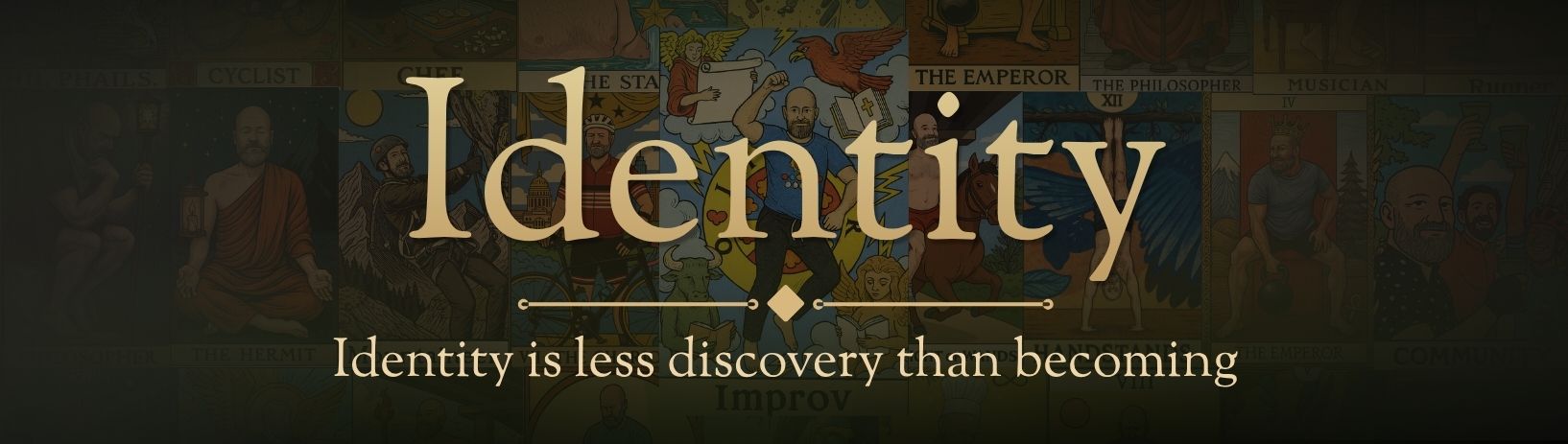
Identity is the ongoing sense of who we are as life changes. It shapes how we see ourselves, especially when things shift, break, or evolve.
Identity becomes most visible in moments of transition, uncertainty, or self-doubt.
These episodes explore how the sense of “me” forms, loosens, and reforms over time.
Not as something fixed, but as something constantly shaped by experience.
There’s a particular kind of belonging that happens on a group ride. You show up with your bike, your legs, and whatever version of yourself the week has lef...
There are spaces that claim to help men grow. They invite vulnerability, shadow work, and honest confrontation. Sometimes those same spaces reproduce the ver...
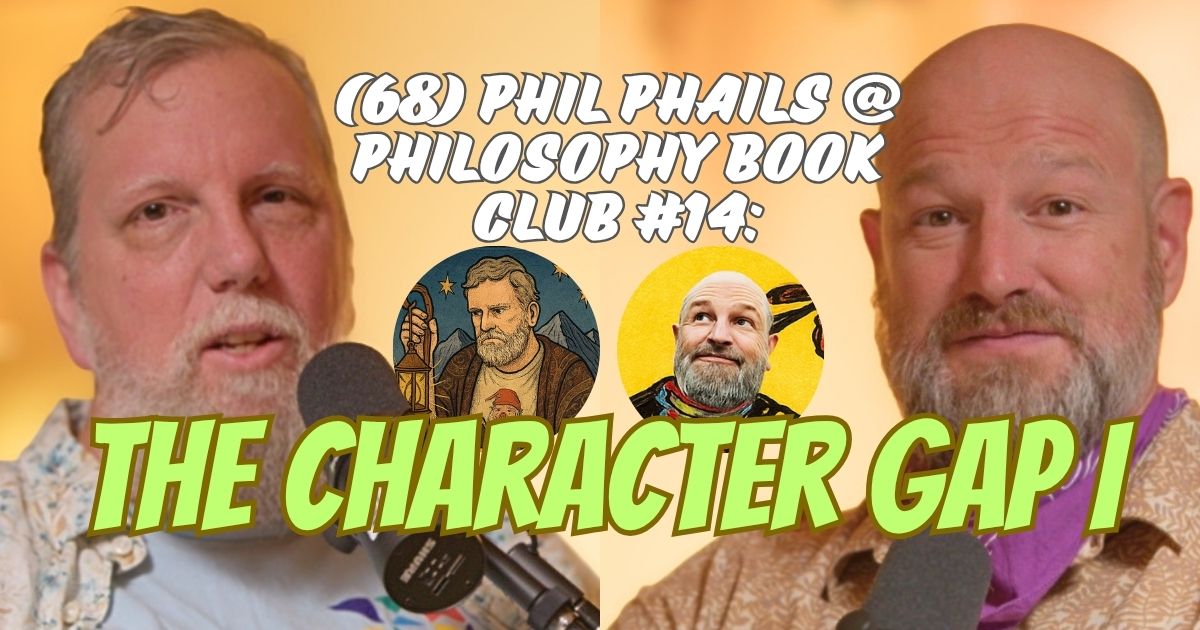
There’s a story that opens Christian B. Miller’s The Character Gap that sticks with you. A man named Walter Vance collapses in a store during a Black Friday ...
Growth rarely happens at the extremes, it emerges in the tension between who we are and who we are becoming.
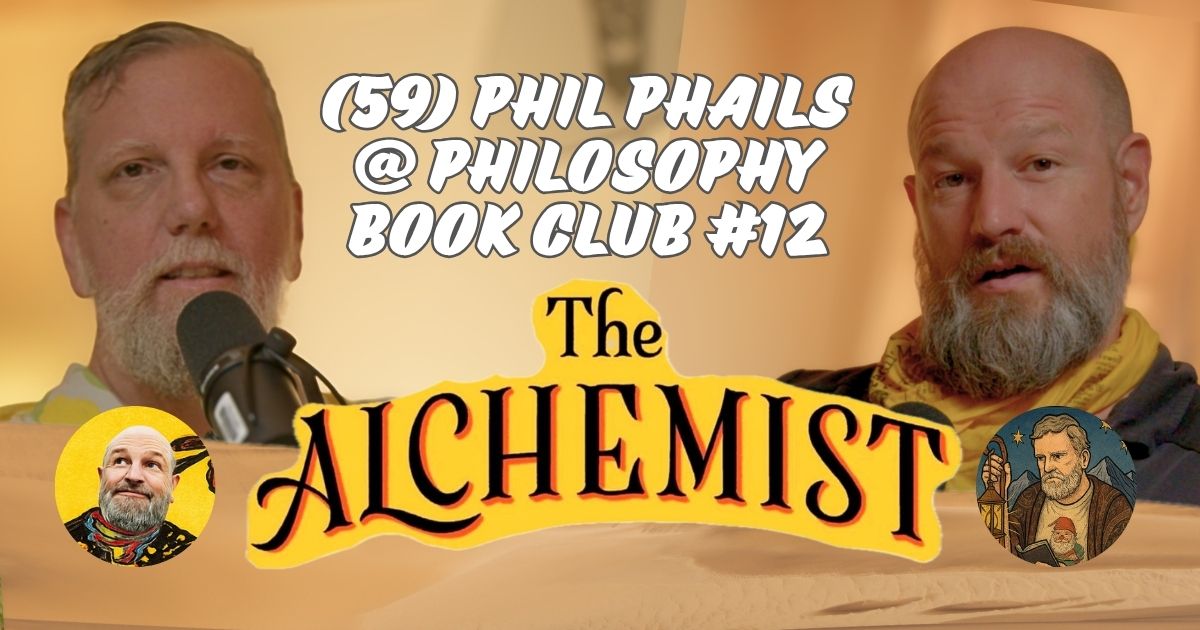
Why The Alchemist Still Matters When You’re Trying to Figure Out Your Life
Why philosophy, friendship, and consistent conversation change how you think and see your life
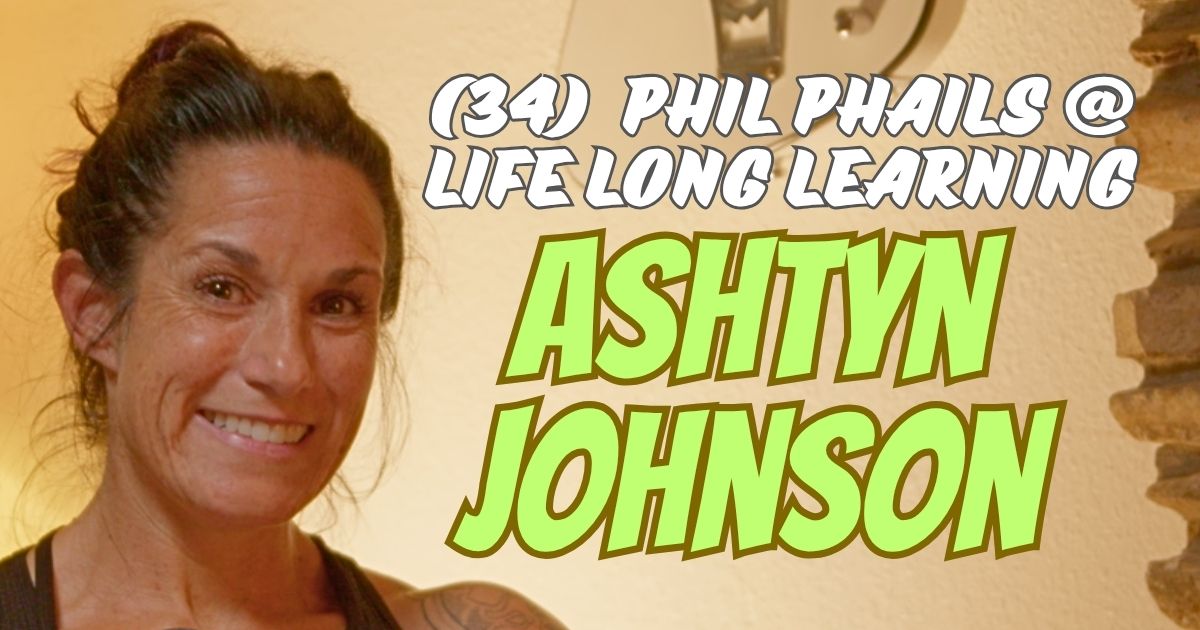
Learning to grow through patience, structure, and letting go of ego in training and life
What becomes possible when hiding is no longer an option and truth becomes the path forward?
The Fear of Releasing Creative Work Nobody Has Seen Yet
When you don’t fully understand the material, but the conversation still changes you
There’s a quiet tension most of us carry. We know we should slow down. We know the best ideas arrive when we stop forcing them. Yet the culture around us rew...
Identity is not a single thing inside a person. It is a pattern that forms over time through memory, emotion, roles, and interpretation. Most people experience it as stable, but it is constantly being updated through what happens and how it is understood.
In Phil Phails conversations, identity often becomes visible when life stops matching the story someone has been living inside. A career shift, relationship change, or internal breakdown can suddenly make the “who I am” question feel uncertain.
What feels solid can loosen quickly. This is often uncomfortable, but it reveals that identity is more flexible than it first appears.
A recurring theme is the difference between identity and experience. A thought like “I am failing” or “I am not enough” can feel like truth, but it is actually a moment of experience interpreted through a self-story. When that interpretation loosens, thoughts and emotions become easier to relate to.
Identity is largely built through narrative. We create stories about who we are, what has happened to us, and what kind of future is possible. These stories create continuity, but they can also narrow perception when held too tightly.
Relationships play a major role in this process. We often learn who we are through how others respond to us. Over time, roles can form—responsible, difficult, quiet, strong—and these can persist long after the original context has changed.
Identity is both stabilizing and limiting. It helps create a sense of coherence in a complex world, but it can also restrict flexibility when life changes. Much of growth happens in the tension between these two forces.
In the podcast, psychology and philosophy often meet here. Some perspectives see identity as continuous and structured. Others see it as something constructed moment by moment. Rather than choosing one, the conversations stay with the tension between them.
Awareness changes how identity is experienced. When thoughts are observed instead of fully identified with, there is more space between experience and interpretation. This reduces emotional reactivity and creates room for choice.
Identity is also shaped by the body and nervous system. States of stress, calm, or openness influence how someone experiences themselves in any given moment.
Across episodes, identity is not treated as something fixed. It is something alive—something that changes as attention, experience, and understanding change.
Identity shapes how people interpret every experience, from relationships to decisions to emotional reactions.
When it becomes rigid, it limits growth and increases self-judgment. When it becomes flexible, it allows more space for change.
Understanding identity helps reduce the pressure of fixed self-definitions and creates more room for adaptation.
Ultimately, identity matters because it quietly shapes how we move through life and how open we are to becoming something different.