Violet Crown and the Soul of Austin Cycling with Jay Bond
There’s a particular kind of belonging that happens on a group ride. You show up with your bike, your legs, and whatever version of yourself the week has lef...
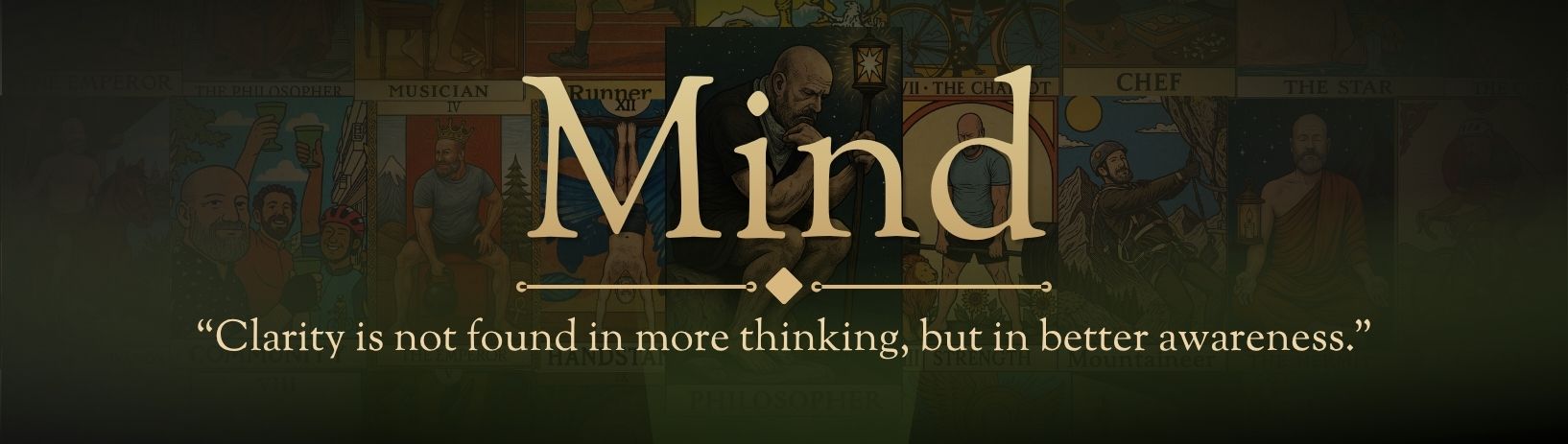
The mind is where experience becomes thought, story, and meaning. This page gathers conversations that explore how thinking shapes identity, emotion, and awareness.
These episodes look at attention, thought patterns, self-talk, and awareness in real life—not as theory, but as lived experience.
There’s a particular kind of belonging that happens on a group ride. You show up with your bike, your legs, and whatever version of yourself the week has lef...
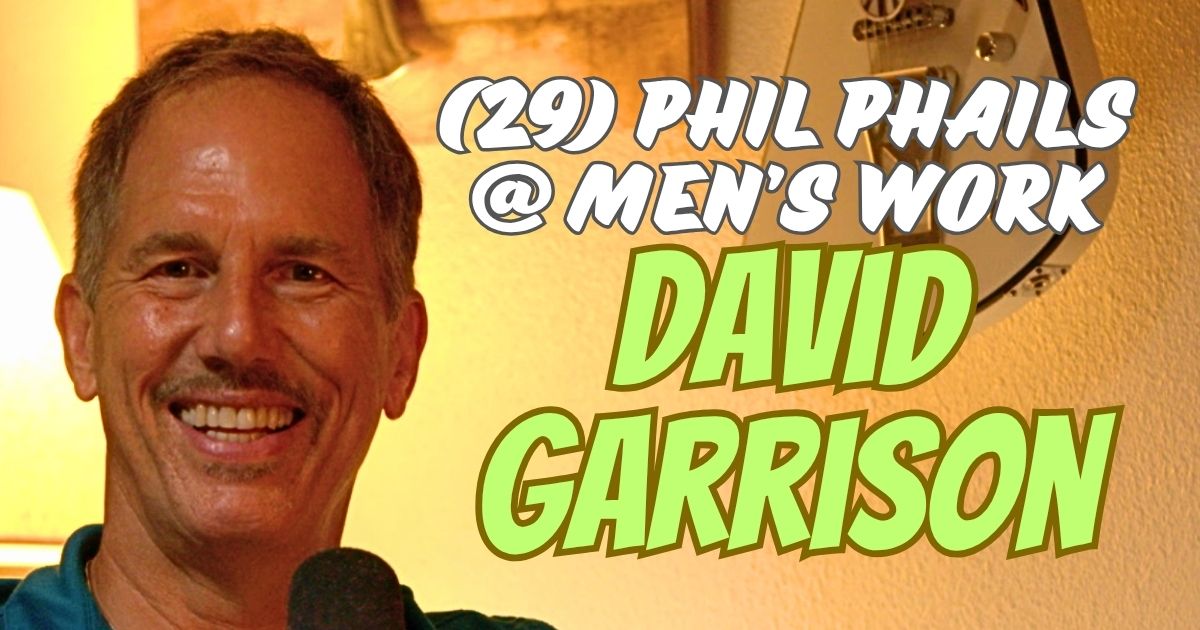
There are spaces that claim to help men grow. They invite vulnerability, shadow work, and honest confrontation. Sometimes those same spaces reproduce the ver...
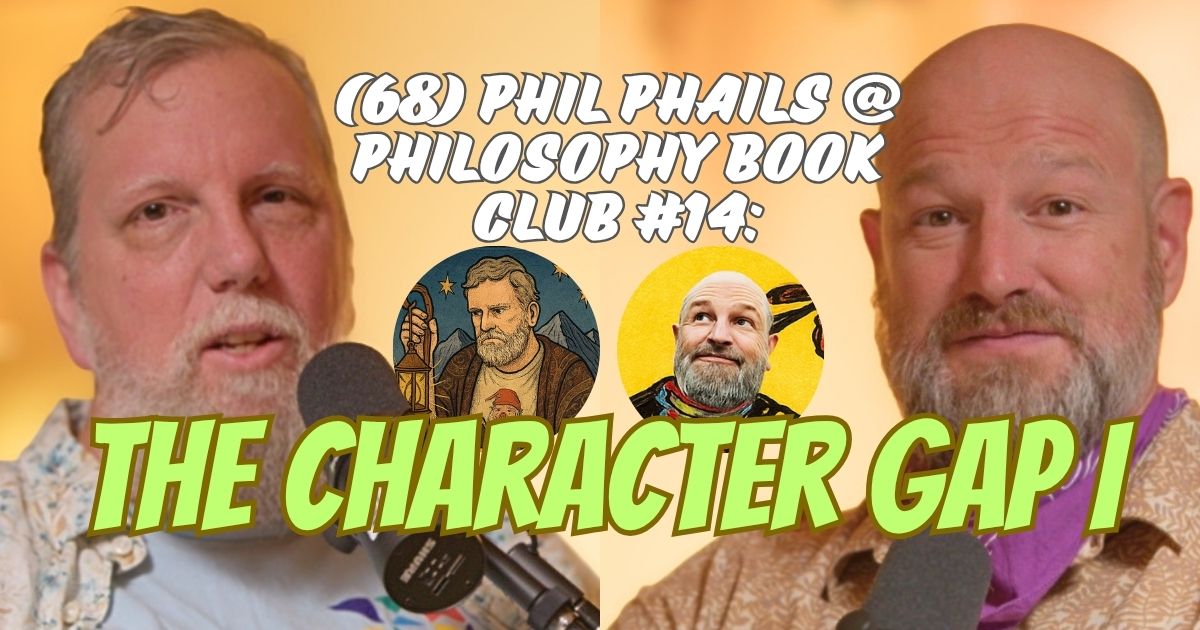
There’s a story that opens Christian B. Miller’s The Character Gap that sticks with you. A man named Walter Vance collapses in a store during a Black Friday ...
There is a quiet moment most people who ride long enough eventually reach. It is not the finish line or the personal best. It is the recognition that the bik...
What Respect, Intent, and Speaking Truth Really Mean in Relationships
Finding steadiness begins when you stop carrying what was never yours to hold.
Navigating Group Exclusion with ADHD: A Personal Exploration
Growth rarely happens at the extremes, it emerges in the tension between who we are and who we are becoming.
Why Speaking in Front of People Feels So Overwhelming
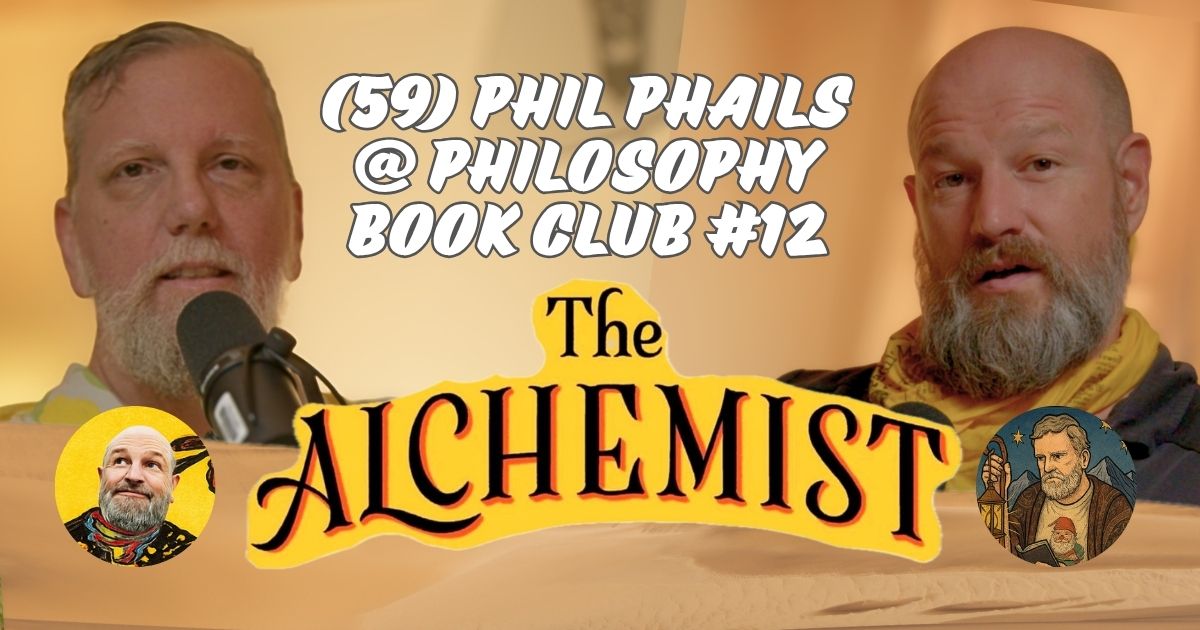
Why The Alchemist Still Matters When You’re Trying to Figure Out Your Life
Why We Keep Falling Into the Same Relationship Cycles
How Studio Satya became a space where yoga turns into real community and connection
What psychedelic mistakes, injury, and lived experience reveal about responsibility, healing, and growth
Why philosophy, friendship, and consistent conversation change how you think and see your life
What weekly group rides reveal about confidence, consistency, and finding your people
What it feels like to bomb on stage, and still decide to keep going anyway
Learning to trust the voice beneath thought, ego, and emotional noise
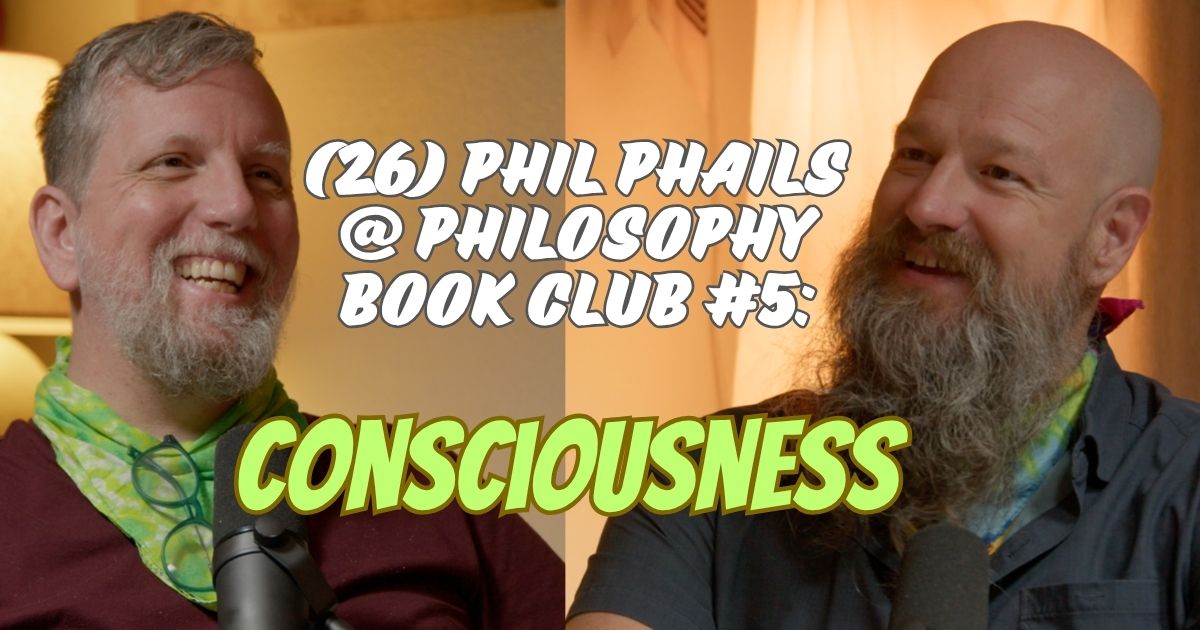
A grounded reflection on awareness, agency, and the everyday practice of living well through philosophy
Learning to stay present through breath, change, and the natural endings and beginnings of life
Simple, practical ways to understand your digestion and feel better in your body and mind
Rising to big moments in comedy when you are not fully ready, and learning to stay present under pressure
Turning fitness data into confidence and habits that actually stick
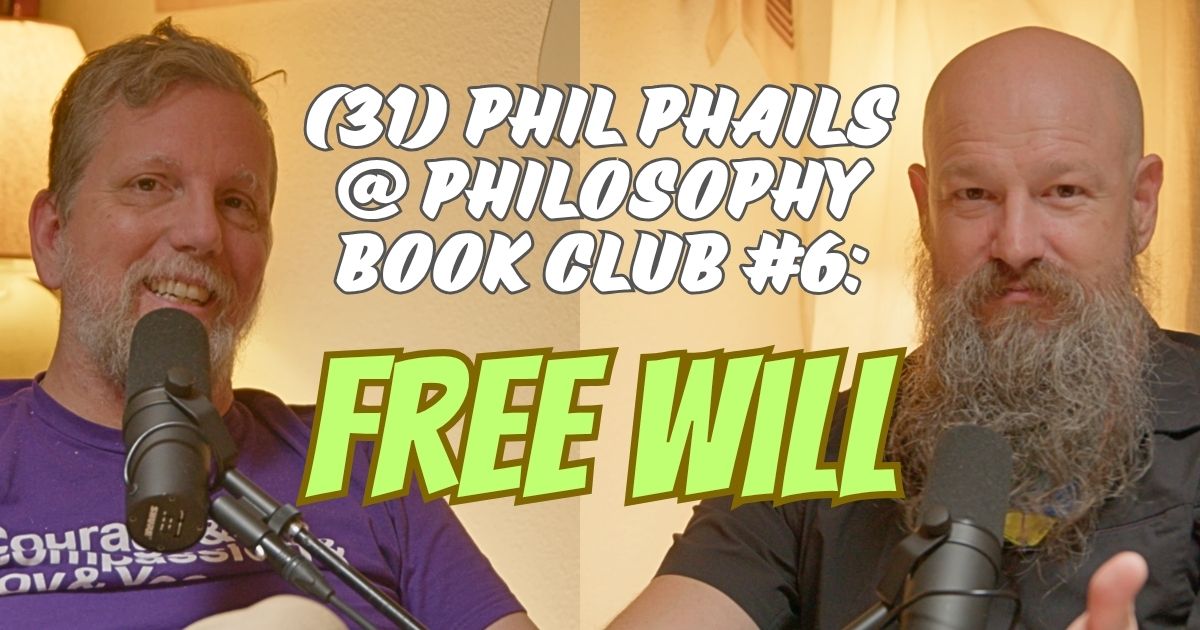
Philosophy, frustration, and finding clarity in the questions that don’t have easy answers
The practice begins on the mat, but the real work happens in daily life.
Understanding Narcissism: Traits, Relationships & Healing
How greed shows up in everyday thinking, choices, and identity — and what philosophy reveals about it
How yoga helps you stay grounded through stress, change, and emotional swings
How framing, language, and hidden power shape what we call objective
Learning to meet stress with more awareness, less judgment, and a steadier body
How Buddhist wisdom reframes suffering, justice, and emotional acceptance in everyday life
Learning to grow through patience, structure, and letting go of ego in training and life
You are not fully in control, but you are not powerless either—how choice actually works in real life
Learning how to be more real with other people without losing yourself
Building trust, emotional openness, and connection through real human presence and shared experience
Why your sense of self feels real but may only be a stream of experience
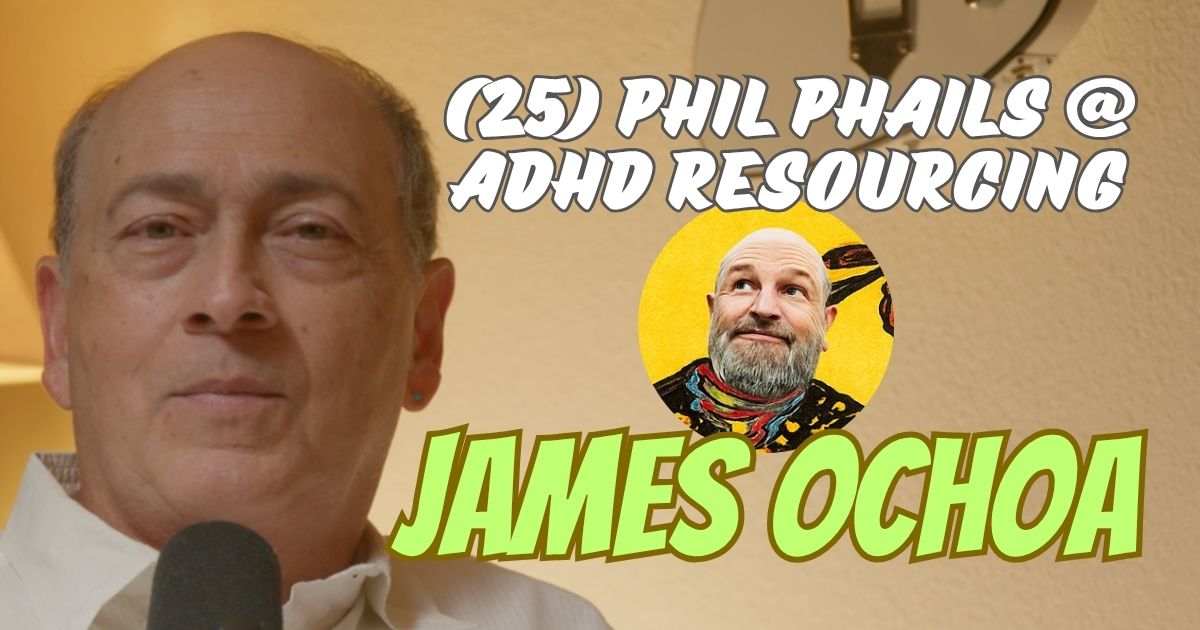
How to work with your ADHD instead of fighting it every day
The Fear of Releasing Creative Work Nobody Has Seen Yet
When you don’t fully understand the material, but the conversation still changes you
There’s a quiet tension most of us carry. We know we should slow down. We know the best ideas arrive when we stop forcing them. Yet the culture around us rew...
Most of us live inside a constant stream of thought. Planning, worrying, judging, rehearsing. We call it thinking. Sometimes it feels like the only voice ava...
Why deeper conversations often begin when we stop rushing to conclusions
Training attention and awareness so calm becomes a skill you can return to in real time
What happens when love, attention, frustration, and misunderstanding all collide in the same relationship
Why a less fixed sense of self can make uncertainty, connection, and change easier to hold
A grounded conversation about the questions people quietly carry through everyday life I’ve been wrestling with philosophy’s big questions for a while now, ...
Most of us spend our days inside a continuous stream of thought. Planning, worrying, rehearsing, judging. We call it thinking. Sometimes it feels like the on...
The questions we avoid often shape the lives we end up living.
The mind is a process, not a fixed thing. It moves through memory, prediction, emotion, and interpretation constantly. Most of what we call “self” is this ongoing activity being experienced from the inside.
Across Phil Phails conversations, the mind appears as both a tool and a source of difficulty. It helps us plan and understand, but it also generates anxiety, self-doubt, and looping thoughts when it becomes rigid or overloaded.
A key theme is how easily we identify with thoughts. A thought feels like truth, but it is simply an event in awareness. When this is unclear, people become fused with mental content rather than observing it.
Attention plays a central role. What we focus on becomes amplified, while everything else fades. Many experiences labeled as stress, overwhelm, or distraction are actually patterns of attention under strain rather than personal failure.
The podcast also draws from contemplative and psychological perspectives that question the idea of a fixed self. Instead of one stable thinker, there is a stream of mental events that can be observed, interrupted, or softened through awareness.
Mindfulness practices appear as practical tools for creating space around thought. Not to eliminate thinking, but to see it clearly enough that it no longer dominates experience.
Over time, this shifts how identity is experienced. Thoughts still arise, but they no longer define reality in the same way. There is more space between what happens in the mind and how it is lived.
The mind shapes every experience, whether it is noticed or not. When it is reactive, life feels heavier than it needs to be.
Learning to observe mental patterns creates space between thought and reaction. That space is where clarity and choice appear.
This category matters because it helps people relate to their inner experience with more honesty and less confusion.