What becomes possible when hiding is no longer an option and truth becomes the path forward?
I’ve always been a little nervous stepping into conversations where I might say the wrong thing. That tension was front and center when I sat down with Nova Martin—poet, druid, trans woman, queer rights activist, and someone who carries her authenticity like a quiet storm. We set out to talk about failing at courage and authenticity, and what unfolded was less about perfect words and more about the messy, human work of listening, reflecting, acting, and offering grace.
Nova didn’t come to lecture. She came to share. And in the process, I learned more than I expected about what it really means to live true to yourself.
What Does Failing at Courage and Authenticity Look Like?
Failing at authenticity often starts with ignoring that inner voice—the quiet knowing that says “this is who I am.” It’s concealing parts of yourself to fit in, to please family, or to avoid discomfort. Courage enters when you decide to act anyway, even if the first steps feel clumsy.
Nova put it simply: authenticity is embedded in biology and deep inner truth for her. It’s not a trend or external influence—it’s something that arises from within and demands to be heard. Courage is then taking those steps despite fear, judgment, or uncertainty.
Listening, Reflection, and the Sculpture of Self
The process Nova described feels like building a sculpture. It begins with awareness—listening to that inner intuition. Then reflection: sitting with what you hear and feel. Visualization comes next: imagining what living more authentically might look like. Finally, action—stepping out imperfectly, knowing the first attempts will be rough.
One of the most powerful ideas was that authenticity is never finished. It’s an ongoing pulse, a circular journey rather than a destination. There’s no final “done.” You keep sculpting as life gives new feedback.
Grace: For Yourself and Others
Grace became a central theme. When you act on authenticity, you get feedback—some supportive, some painful, some outright mean. Nova stressed giving yourself compassion for the bumbles and stumbles. Equally important is extending grace to others, even when their words hurt. Not everyone’s feedback is about you; sometimes it reveals their own fears or limitations.
She shared how some lesbian women have been supportive while others have created distance. Rather than bitterness, Nova chooses to focus on her own path while holding space for complexity. That balance—honoring your truth without demanding universal acceptance—felt like real wisdom.
The Courage of Transition and Everyday Steps
Nova’s story of transitioning at 44 after knowing something was different since she was 13 hit hard. The inner knowing was always there. Acting on it later in life meant facing family dynamics, societal pushback, and her own evolving sense of self. She still feels joy in her womanhood, even as the world offers mixed feedback.
We touched on everything from poetry and activism to creating a lesbian honky-tonk space. Her drive to build community and live provocatively while staying compassionate showed courage isn’t always loud grand gestures—it’s consistent, everyday choices to show up as yourself.
Personal Reflection
This conversation challenged me in ways I needed. I walked in worried about language and offending someone. Nova met that fear with patience and clarity, using terms like “transsexual” intentionally while explaining her reclamation of it. Her generosity gave me room to ask honest questions without shame.
What stayed with me most was the idea that any step of courage is a success. I’ve spent years hesitating, waiting for the “right” time or perfect conditions. Nova reminded me that authenticity is sculpting in progress—imperfect, ongoing, and worth the risk. I left thinking more about listening to my own inner voice and offering myself (and others) more grace along the way.
Practical Takeaways
- Start with listening: Tune into that quiet inner knowing before dismissing it to fit expectations.
- Reflect honestly: Sit with what you hear and visualize small steps toward living it.
- Act imperfectly: Take the first clumsy step—authenticity is a sculpture you keep shaping.
- Practice self-grace: When feedback hurts or you stumble, treat yourself with compassion.
- Extend grace outward: Others’ reactions often say more about them than you—don’t let it stop your journey.
- Keep going anyway: Authenticity isn’t a finish line. Embrace the ongoing flow and pulse of becoming.
- Build community: Find or create spaces where diverse expressions of self are welcomed and celebrated.
Conclusion
Courage and authenticity aren’t about never failing—they’re about continuing anyway. Nova’s presence made that real: a life lived openly, with poetry, activism, and a fierce commitment to grace. In a world quick to judge or cancel, her approach—listen, reflect, act, and hold compassion—feels like a steadier path.
There’s no perfect way to be human. Only the honest, ongoing attempt. And that, in itself, is courageous.
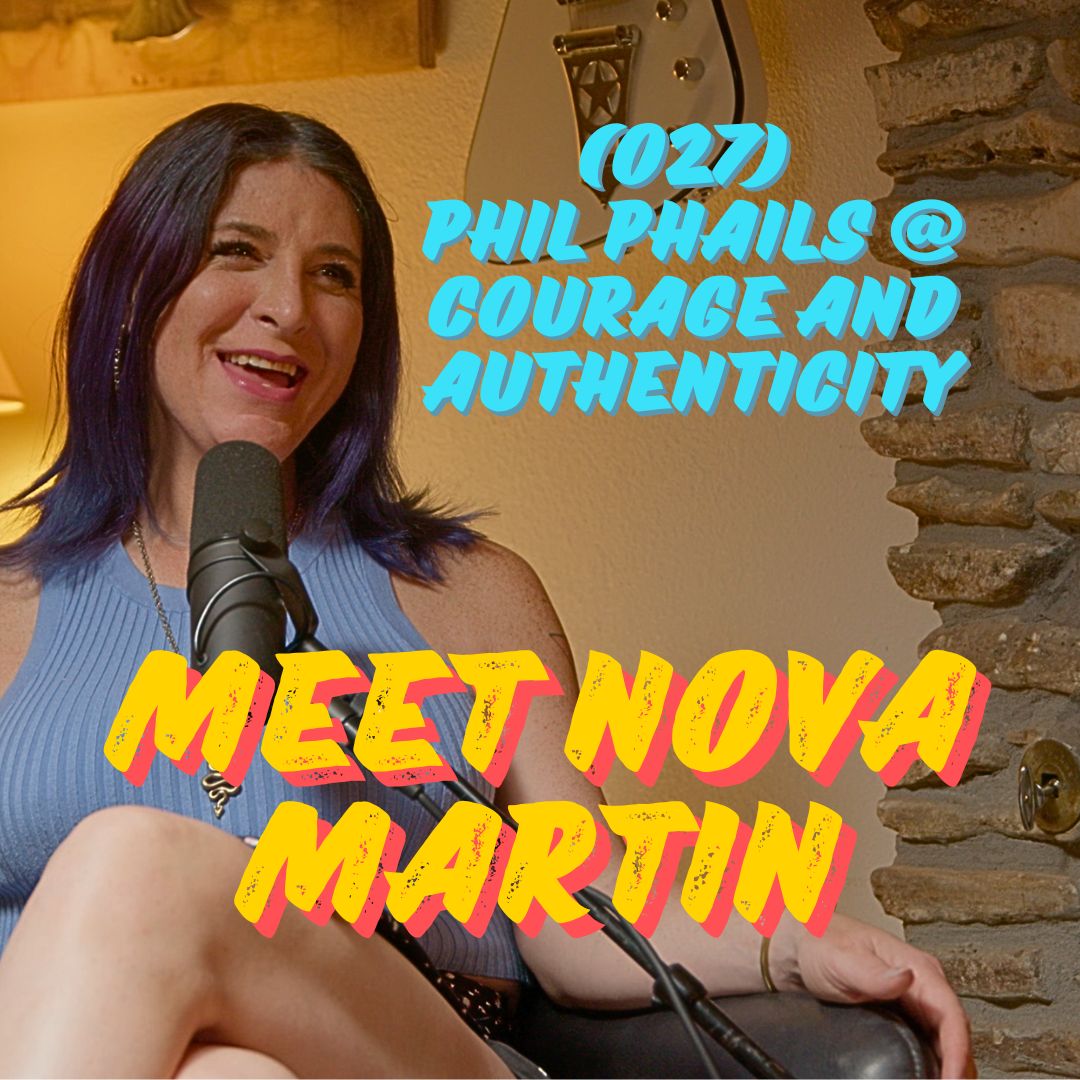
Guest Bio
Nova Martin is an open, out, visible transgender woman. She’s a poet who has written 7,000+ poems and is currently writing a couple fantasy-sci fi books. Nova engages in trans & queer rights activism—she’s testified on anti-queer bills, lobbied conservative politicians, spoke at events, received death threats, and engages in regular online canvassing for queer and trans issues. Her forthcoming book of poetry, Trans Liberation Station, will be released in December of this year.
Nova, a Texas native, moved to Washington state 10 months ago to escape bigotry and discrimination. She worships trees, produces erotic content, runs and plays soccer, enjoys traveling, cooking, and a good party. Nova also heads up DoGoodDenton—a philanthropic nonprofit that gives out micro-grants to trans & queer owned or oriented small businesses and projects in Denton, Texas. You can follow her on social media at: @starfoxnova.
If This Resonated
These conversations explore similar themes.
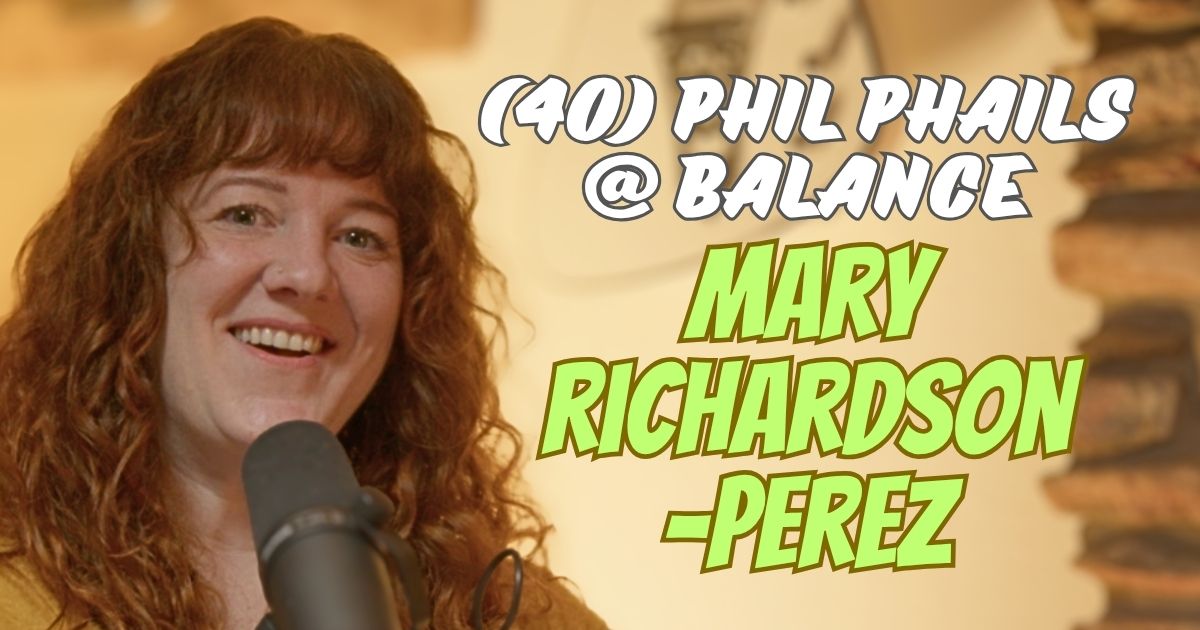
Finding Balance Through Yoga, Breath, and Nervous System Regulation
How yoga helps you stay grounded through stress, change, and emotional swings
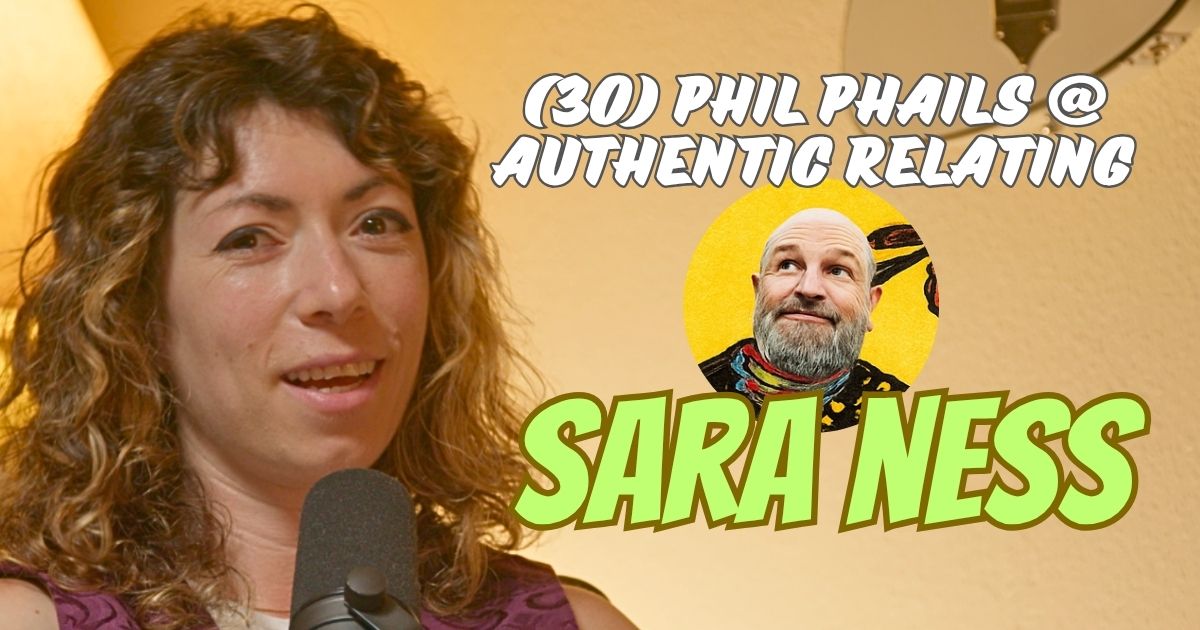
Authentic Relating and Emotional Connection with Sara Ness
Learning how to be more real with other people without losing yourself