A grounded conversation about the questions people quietly carry through everyday life
I’ve been wrestling with philosophy’s big questions for a while now, and this one stopped me in my tracks: What is knowledge? Sitting down again with Grant Potts, philosopher and Austin Community College faculty member, we dug into how Buddhist and Western traditions approach this fundamental puzzle. The conversation revealed how slippery the idea of “knowing” really is — and how our assumptions about it shape everything from daily decisions to our sense of self.
We moved through conceptual versus perceptual knowledge, the role of emptiness in Buddhist thought, justified true belief in the West, and why certainty might be the wrong goal. It felt less like an academic exercise and more like a honest reckoning with how we actually experience and understand the world.
The Slippery Nature of Knowledge
Grant reminded me that the question itself is recursive. To ask “What is knowledge?” we’re already using knowledge to investigate knowledge. Bertrand Russell captured this nicely when he noted that any definition introduces the word “knowledge,” which is itself highly ambiguous.
This isn’t just wordplay. It points to a deeper tension: Do we know things through clear concepts and propositions, or through direct perception and awareness? The conversation kept circling back to this divide.
Conceptual vs Perceptual Knowledge
Western analytic traditions often lean on “justified true belief” — a belief that is true and backed by good reasons. But Buddhist thinkers like Nagarjuna challenge us to look deeper. Knowledge isn’t just stacking up true statements. There’s perceptual knowing — direct awareness — and conceptual knowing, which can distort as much as it clarifies.
Nagarjuna’s emphasis on emptiness (the emptiness of emptiness itself) suggests that our rigid categories and concepts are empty of inherent existence. This isn’t nihilism. It’s an invitation to hold knowledge more lightly.
We also touched on self-awareness and “knowledge by acquaintance” — that direct, non-propositional sense of being aware of oneself or a moment. It’s different from knowing about something.
Yogic Perception and Liberating Knowledge
One of the most compelling parts was the Buddhist framework of study, contemplation, and meditation leading to higher knowledge. Yogic perception represents a refined awareness that goes beyond ordinary senses — a technical skill developed through practice that reveals the nature of reality.
This knowledge isn’t neutral. In Buddhism, true knowing is liberating. It reduces suffering by loosening our grip on fixed ideas about self and world. William James and the pragmatists echo something similar in the West: truth is what works, what has “cash value” in lived experience.
Personal Reflection
Talking with Grant always leaves me quieter. I came in wanting clean answers and left more comfortable with the mystery. What surprised me was how much Nagarjuna’s thinking resonated — the idea that even our concepts of emptiness must be empty feels mind-bending yet freeing.
It challenged my tendency to treat knowledge as a collection of facts I can pin down. I’ve spent a lot of time trying to “know” my way out of uncertainty in life, relationships, and work. This conversation made me rethink that. Maybe the goal isn’t more certainty but better perception and wiser relationship to what we think we know.
Grant’s grounded, curious approach reminded me that philosophy isn’t about winning arguments. It’s about paying better attention to life as it is.
Practical Takeaways
- Distinguish between conceptual knowledge (ideas, propositions) and perceptual knowledge (direct awareness). Both matter, but they serve different purposes.
- When facing a problem, ask: Am I stuck in rigid concepts, or can I perceive the situation more freshly?
- Practice contemplation: Study a topic, think it through actively in daily life, then sit with it in quiet awareness.
- Hold knowledge lightly. Certainty is rare; useful, workable understanding is often enough.
- Use “cash value” as a test: Does this belief or framework help me live with less suffering and more awareness?
- Explore self-awareness without turning it into another concept to master. Notice the feeling of knowing you exist before labeling it.
Conclusion
Asking “What is knowledge?” doesn’t deliver a final answer. It opens a door to more honest seeing — of ourselves, others, and the world we move through. Whether through Nagarjuna’s emptiness or Russell’s careful analysis, the inquiry itself changes how we relate to uncertainty.
There’s humility in that. And maybe, in the space it creates, something like wisdom can quietly appear.
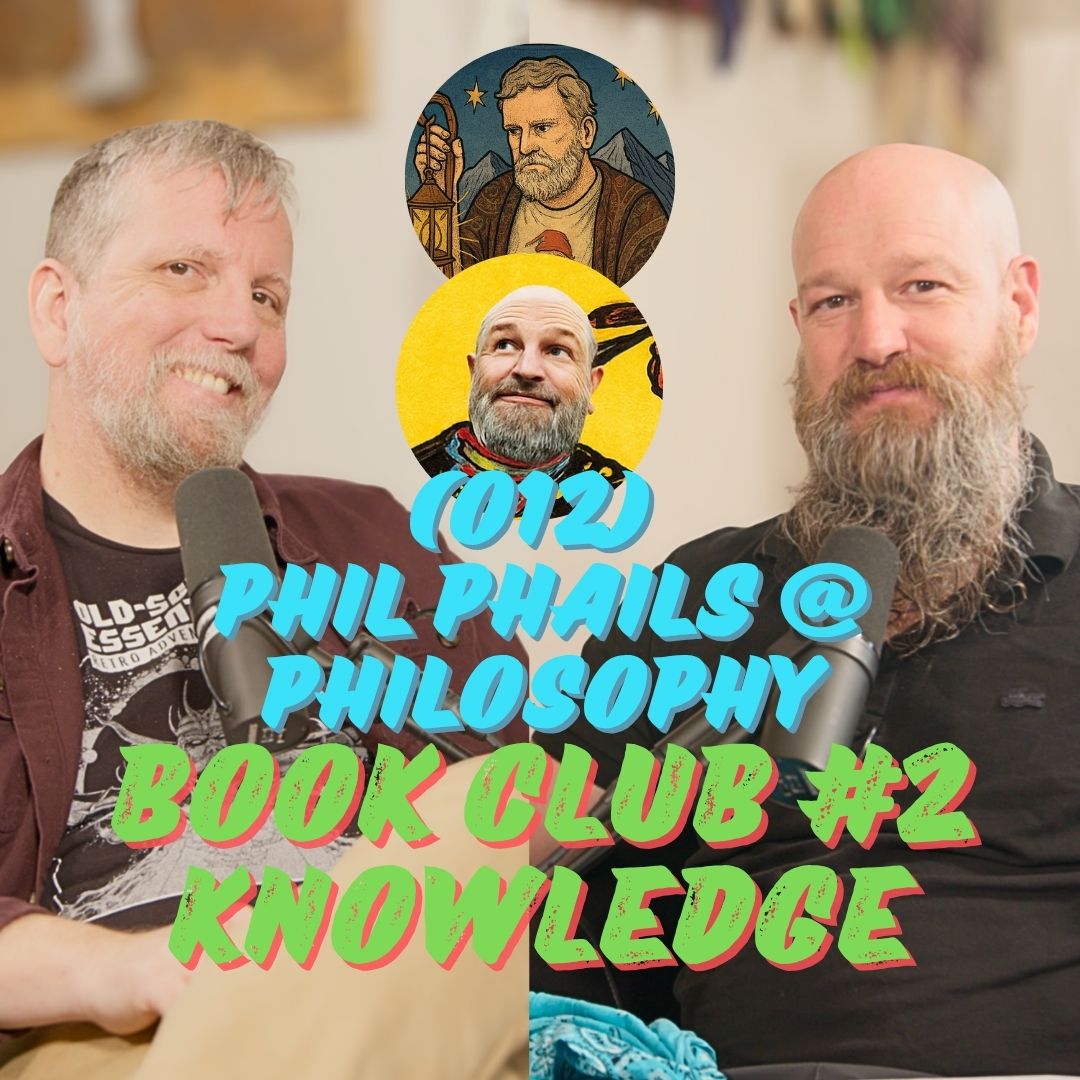
About Grant Potts
Grant Potts is a distinguished faculty member at Austin Community College, specializing in Philosophy, Religion, and Humanities. Trained primarily as a scholar of religion, Grant is also a dedicated philosopher and curriculum developer, committed to promoting liberal education through the Great Question Foundation to benefit community college students of all disciplines. Outside the academic sphere, he is a passionate gardener, an enthusiastic hiker and cyclist, and an ardent tabletop roleplaying game enthusiast.
If This Resonated
These conversations explore similar themes.
Does Reality Have a Ground? Buddhist Emptiness, the Two Truths, and Impermanence
Why a less fixed sense of self can make uncertainty, connection, and change easier to hold
Consciousness Explained: Western Science, Physicalism, and Buddhist Mind-Only Philosophy
Why your sense of self feels real but may only be a stream of experience